What Is the Maravi Growth Triangle — and Why It Matters for Malawi, Zambia, and Mozambique
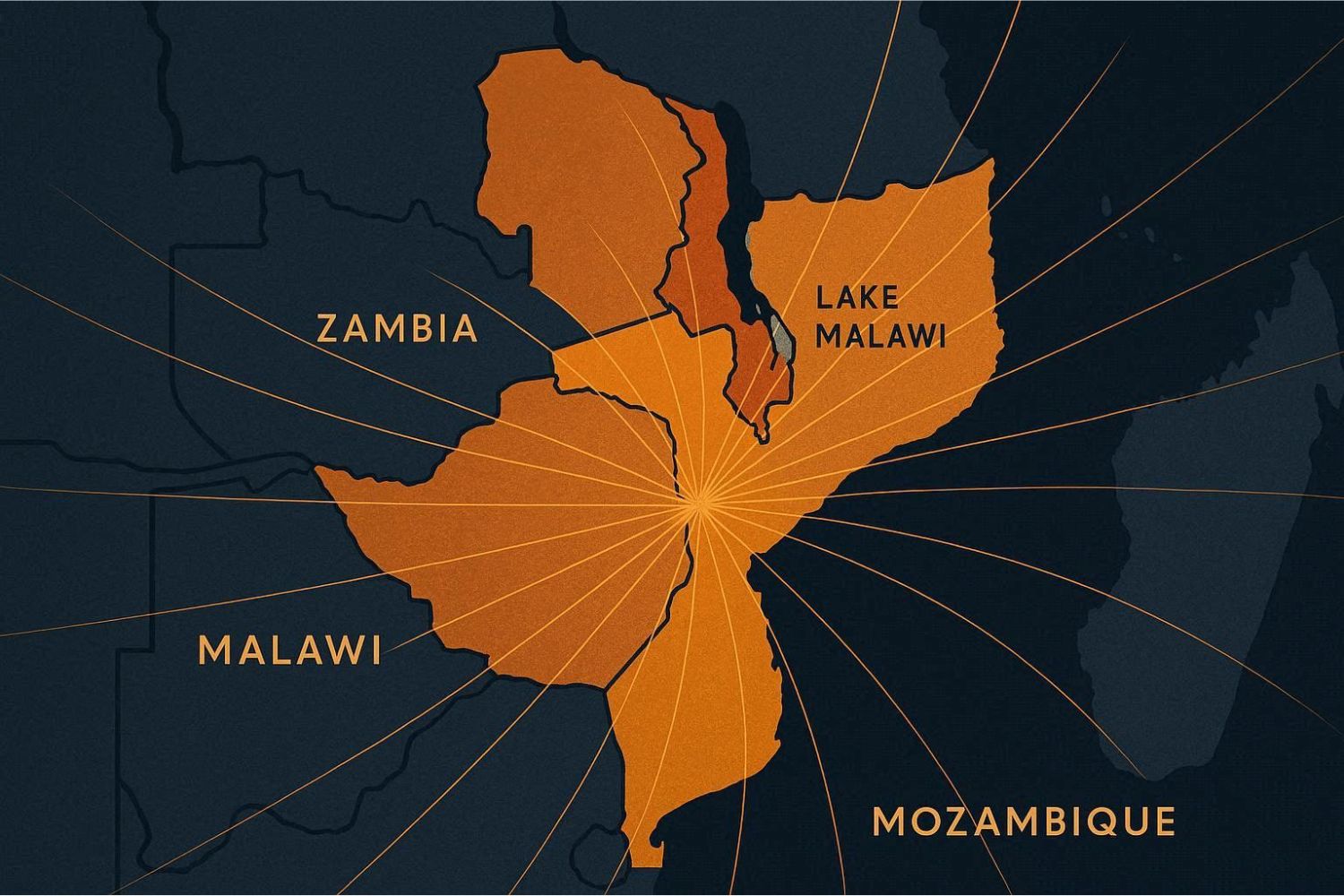
Six hundred years ago, the Maravi Kingdom did not respect the borders that divide Malawi, Zambia, and Mozambique today. At the height of its power in the 17th century, it stretched from Lake Malawi west to the Luangwa River, south to the Zambezi, and east to the Mozambican coast near Quelimane. It was one unified economic and cultural zone.
Those borders are now fixed on maps. But the people are the same. The language — Chichewa and Chinyanja — is the same. The culture, the ceremonies, and the ancestral memory are the same.
The Maravi Growth Triangle starts from that fact.
The Maravi Growth Triangle is a framework for economic and cultural cooperation between the Chewa-inhabited regions of Malawi, Zambia, and Mozambique. The idea uses the old boundaries of the Maravi Kingdom as a blueprint for modern joint development — turning a shared past into shared prosperity.
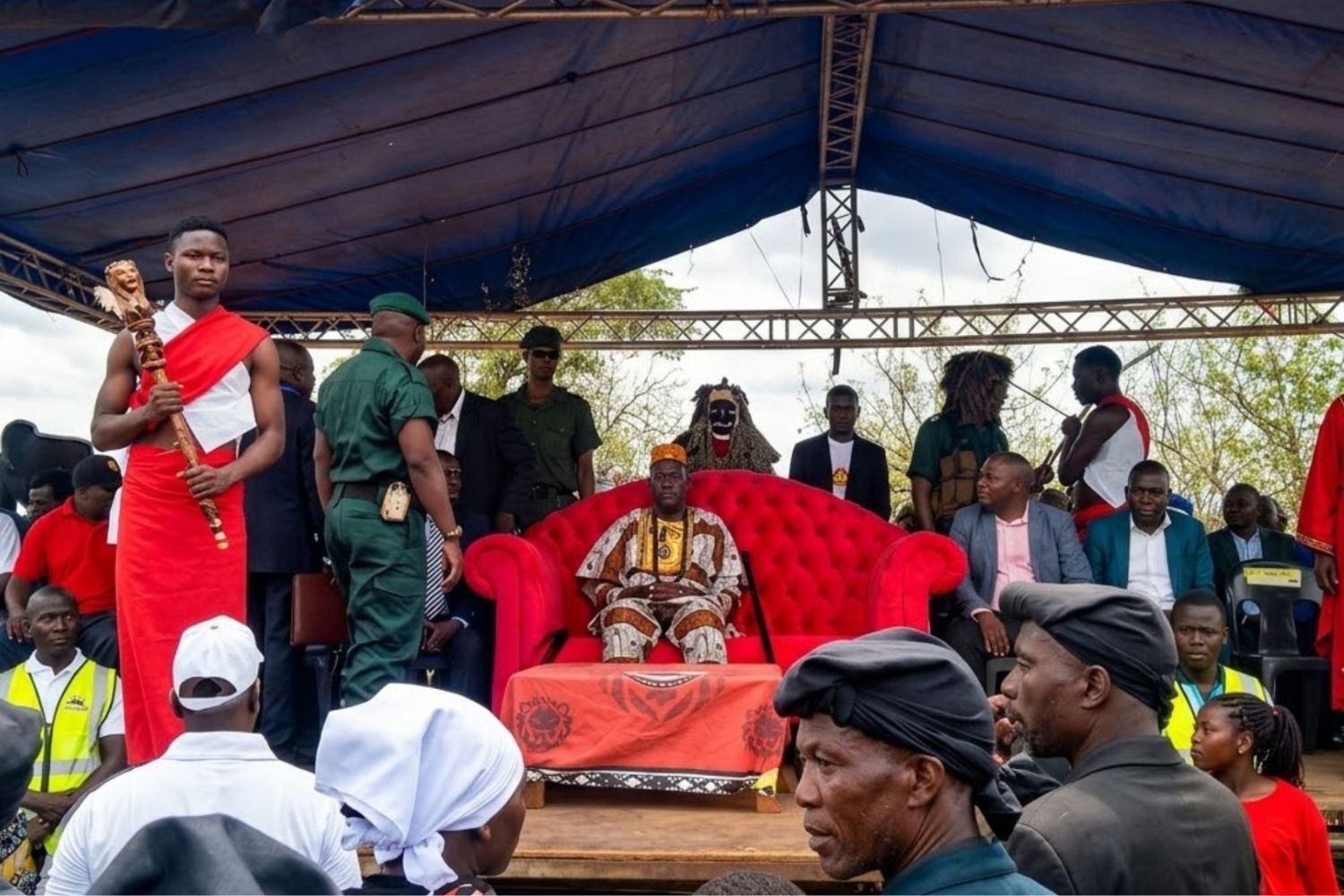
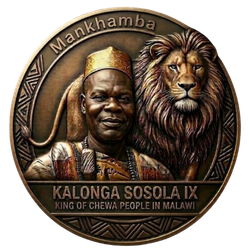
The concept was first promoted by Kalonga Gawa Undi, based at Mkaika in Katete, Zambia, and is now actively supported by the newly installed Kalonga Sosola IX of Malawi. Both leaders recognise that the Chewa people on either side of these three national borders share common challenges: limited access to agricultural finance, poor cross-border infrastructure, and cultural traditions that need protection and investment.
The three pillars of the Growth Triangle are:
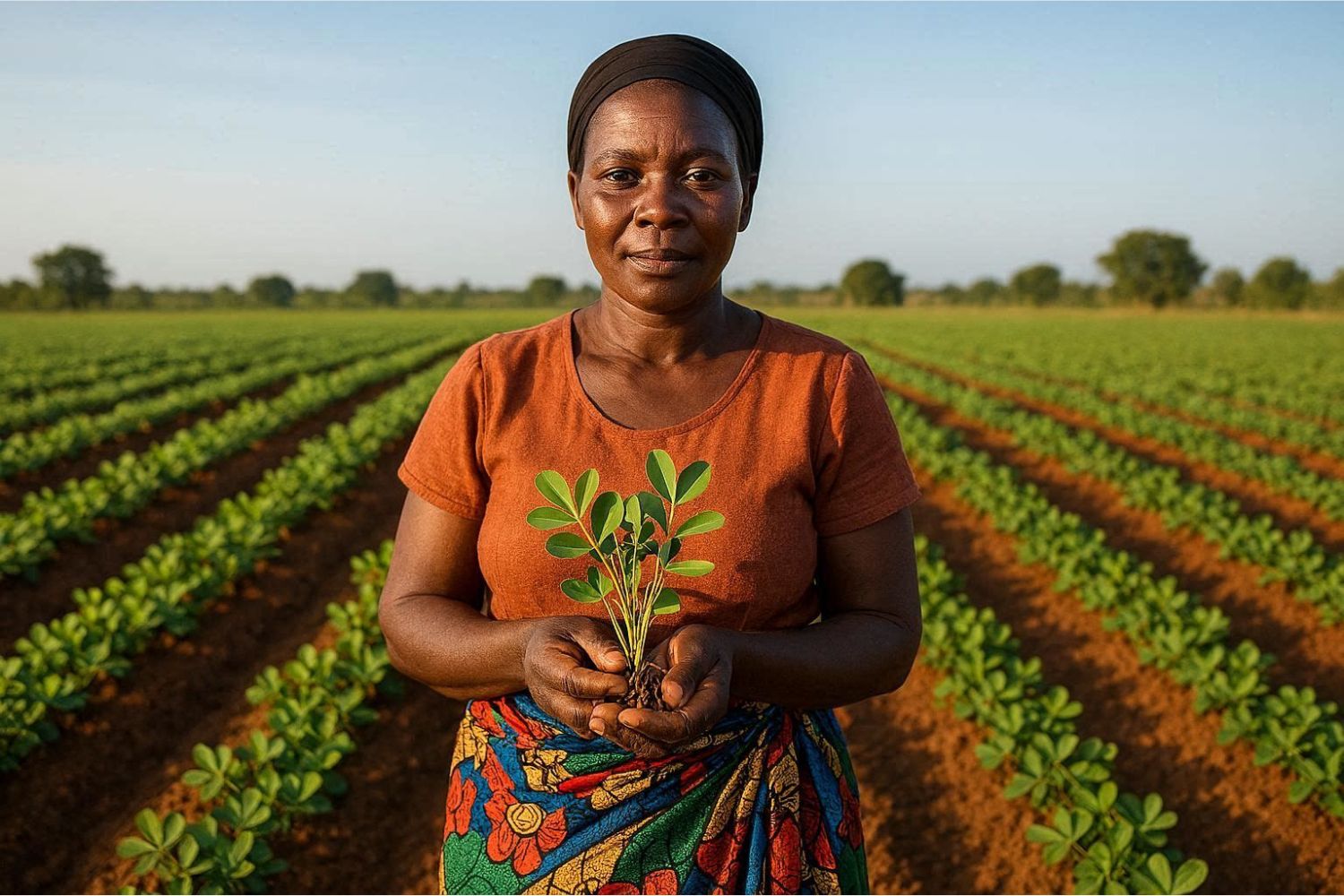
- Agricultural cooperation — harmonising farming practices and export frameworks across Chewa-inhabited regions, starting with key crops like groundnuts.
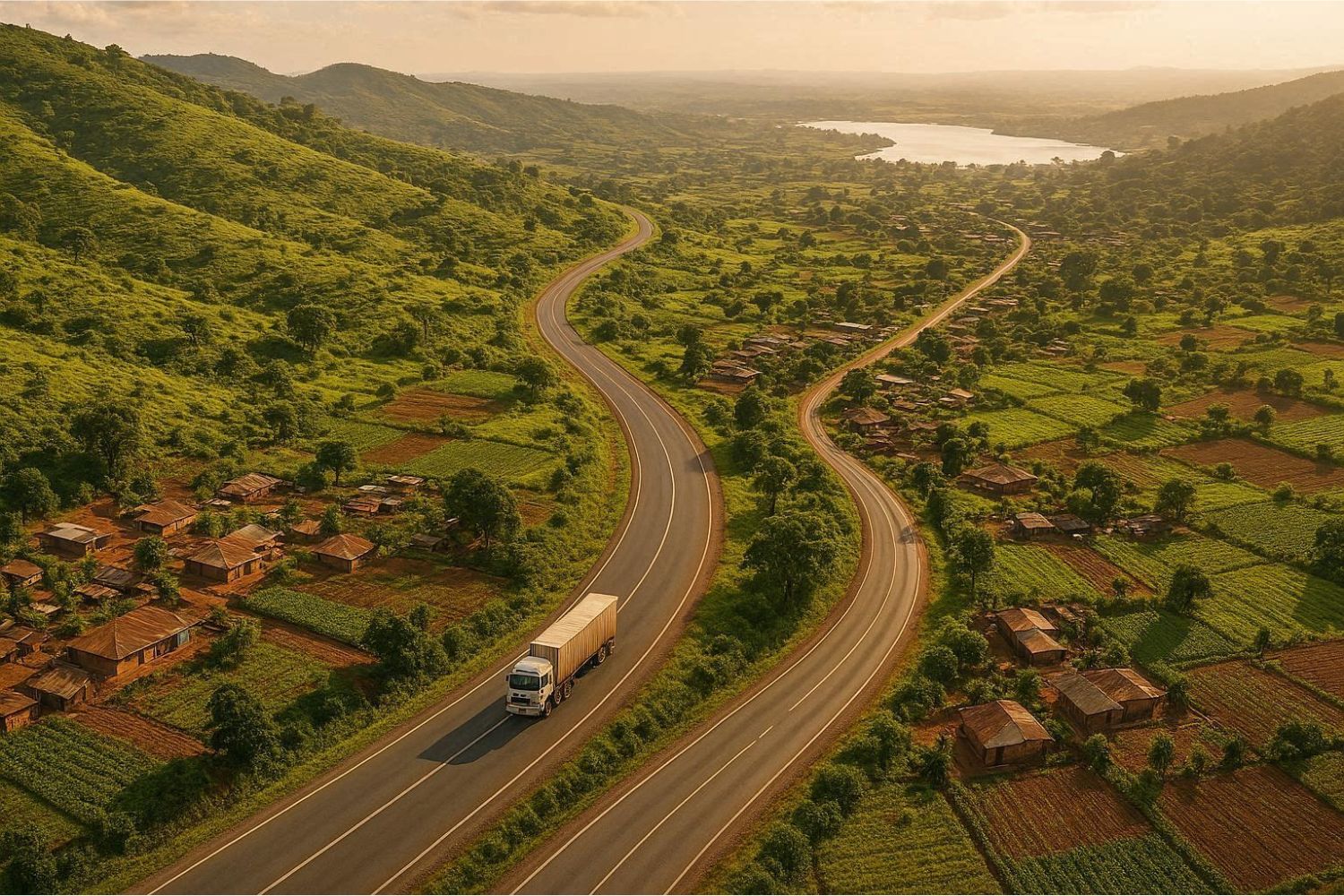
- Shared infrastructure — developing transport corridors and, in time, shared energy grids to reduce the cost of doing business across borders.
- Cultural exchange — formalising the movement of people, ceremonies, and oral heritage between Malawi, Zambia, and Mozambique, reducing dependence on a single venue or ceremony.
Why Now?
The timing is not accidental. Two developments in 2025 brought this conversation into focus.
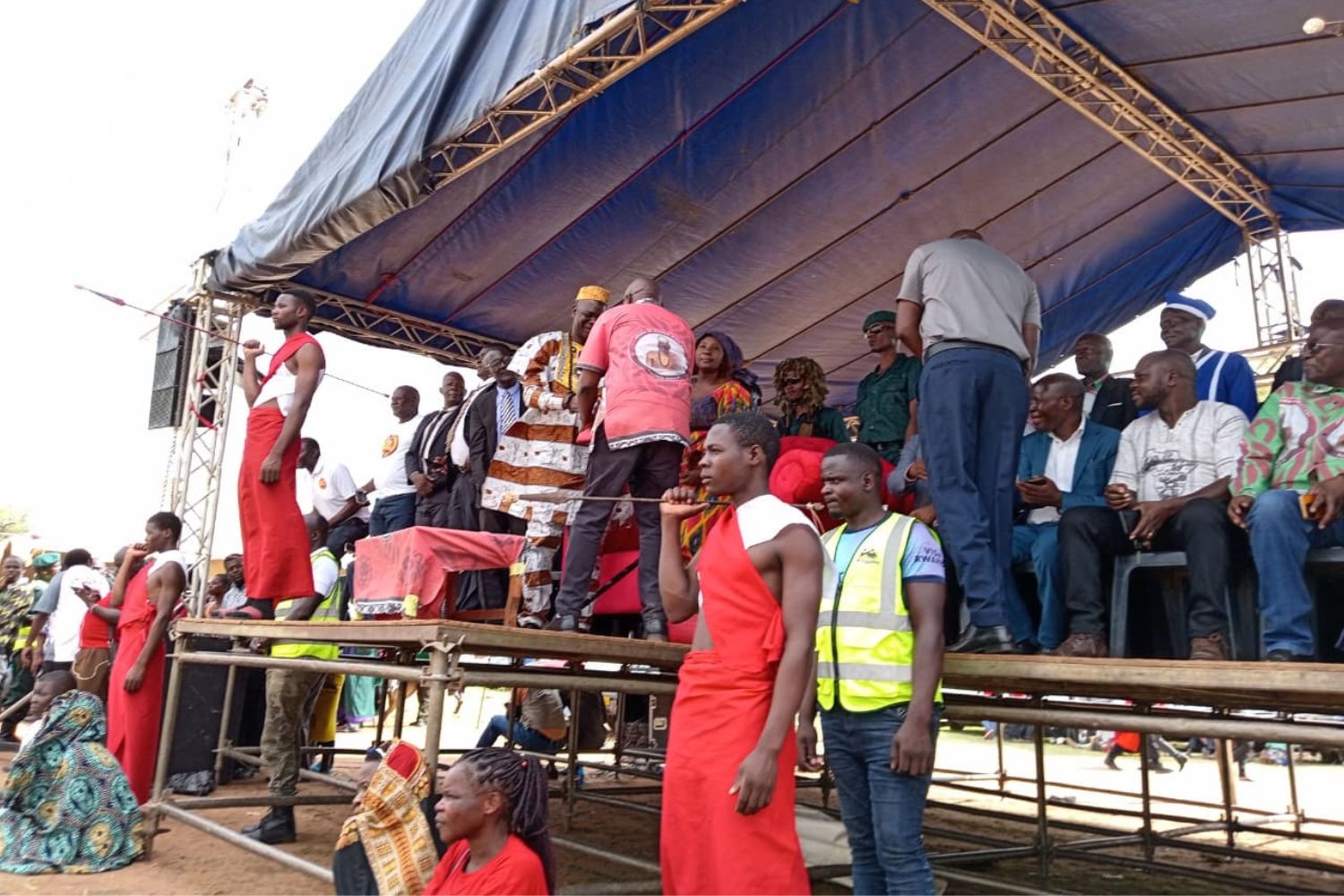
First, the coronation of Kalonga Sosola IX in November 2025 created a new seat of Chewa leadership within Malawi itself. For decades, Malawian Chewa looking for a connection to their kingdom had to look east to Katete, Zambia, where Kalonga Gawa Undi holds court and hosts the annual Kulamba ceremony. Now, Malawi has a recognised seat at Mankhamba, creating the possibility of a genuine two-node regional leadership structure.
Second, the practical cost of cross-border dependence became harder to ignore. Every year, thousands of Chewa from Malawi travel to Zambia for the Kulamba ceremony. The cost — in transport, foreign currency, and time — falls on communities that can least afford it. Kalonga Sosola IX said this plainly in his coronation address in November 2025:
“Time has come for us to be self-dependent. Future generations must celebrate here, whether at Mankhamba, Msinja, or the Mbona Shrine.”
Hosting cultural events within Malawi keeps spending local. It builds domestic tourism. It conserves foreign currency. And it gives Malawian Chewa a ceremony they own.
The Historical Case: The Maravi Did This Before
The Growth Triangle is not a new idea dressed in old clothes. It is an old idea being reclaimed.
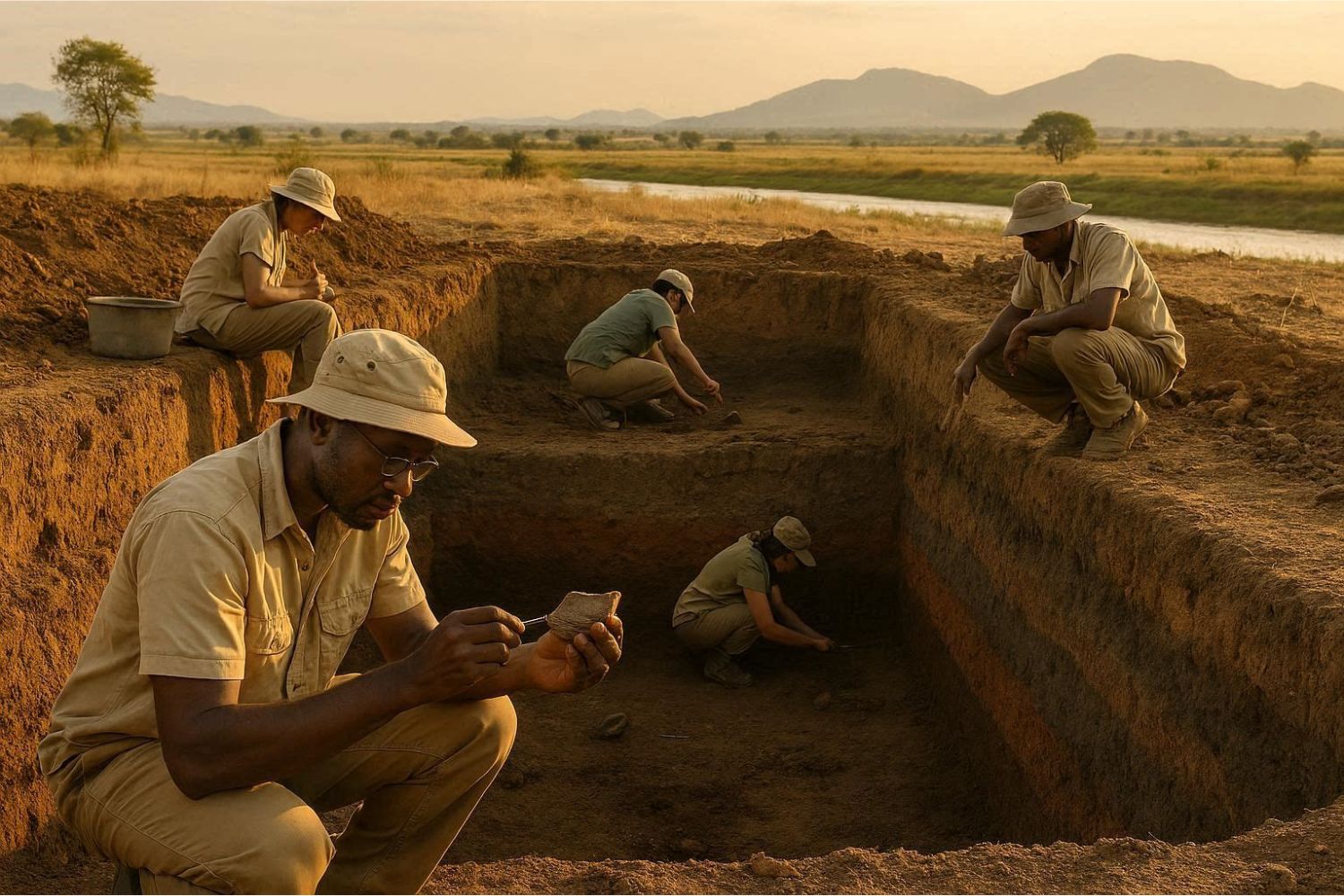
The Maravi Kingdom was, at its core, a trading state. Its wealth came from managing the flow of goods between the African interior and the Indian Ocean coast. Ivory moved east. Copper came west from what is now Zambia. Iron tools and cotton cloth from the Malawi heartland flowed in all directions. By the 17th century, Chinese Ming Dynasty porcelain and Indian glass beads were showing up at Mankhamba — evidence that this was not an isolated community but a connected civilisation with global reach.
The Kalonga’s genius was in holding this network together. The empire was deliberately decentralised: the Kalonga sent relatives to govern sub-kingdoms in present-day Mozambique and Zambia, giving them emblems of office and keeping cultural ties intact while allowing local authority. Trade followed kinship. Kinship followed trade.
The Growth Triangle proposes something similar for the present: use the cultural ties that already exist as a foundation for economic partnerships that benefit all three countries.
What the 2026 Summit Will Cover
The inaugural Maravi Growth Triangle Economic Summit is planned for 2026. The first summit will be held at the Mankhamba Heritage Site in Dedza District, Malawi — the ancient capital of the Maravi Kingdom. From 2027, the summit is planned to rotate to Mkaika in Katete, Zambia, the seat of Kalonga Gawa Undi.
Three areas are on the agenda.
Agricultural exports. The Chewa heartland across all three countries is well-suited to groundnut, soybean, and maize production. The summit aims to explore a unified framework for agricultural exports — reducing duplication, pooling resources, and connecting smallholder farmers to regional markets. Chewa Development Holdings Limited (CDHL), the agricultural lending arm of the Mankhamba Cultural Revival, is expected to present proposals for cross-border seed and input distribution in this session.
Shared power grids. Malawi faces persistent energy shortages. Mozambique has significant hydropower potential. Zambia has developed energy infrastructure. A joint approach to energy sharing across Chewa-inhabited regions could reduce load-shedding, lower the cost of running businesses, and support cold-chain agriculture — a significant opportunity for groundnut and soybean exporters.
Trade formalisation. In April 2025, the governments of Mozambique and Malawi met in Tete to advance a cross-border pass system for small-scale traders, funded through the World Bank’s Southern Africa Trade and Connectivity Project. This is exactly the kind of formal structure the Growth Triangle builds on. The Nacala Corridor — the rail and road link connecting Zambia and Malawi to the port of Nacala in Mozambique — is a key piece of infrastructure that, if used well, reduces the cost of moving goods for all three countries.
What This Means for Ordinary Chewa Communities
Economic summits can sound distant from daily life. But the Growth Triangle’s goals are grounded in concrete, local problems.
A farmer in Salima, Malawi, growing groundnuts faces the same challenge as a farmer in Chipata, Zambia, or Tete, Mozambique: unreliable access to quality seed, limited options for selling their crop, and no buffer when rains fail. If the three countries share seed banks, extension services, and market access, each farmer benefits.
A young person in Dedza who wants to study the history of the Maravi Kingdom should not have to travel to Zambia to attend the Kulamba ceremony, or to a foreign university to find academic research on their own heritage. A cultural exchange framework — one pillar of the Growth Triangle — means knowledge, performances, and oral history travel across borders with the same ease as goods.
A woman trader crossing the Malawi-Mozambique border at Mwanza or Dedza to sell produce in Tete currently navigates complex paperwork and border delays. The cross-border pass system being piloted by Malawi and Mozambique in 2025 is a step toward changing that. The Growth Triangle wants to deepen and extend this kind of practical cooperation.
The Bigger Picture
The Maravi Growth Triangle sits inside a wider trend. Across Africa, there is growing recognition that colonial borders do not always reflect economic or cultural logic. The African Continental Free Trade Agreement (AfCFTA), which all three countries have signed, aims to reduce trade barriers across the continent. The Growth Triangle is a community-led version of the same instinct — working from the bottom up, rooted in shared identity rather than top-down trade policy.
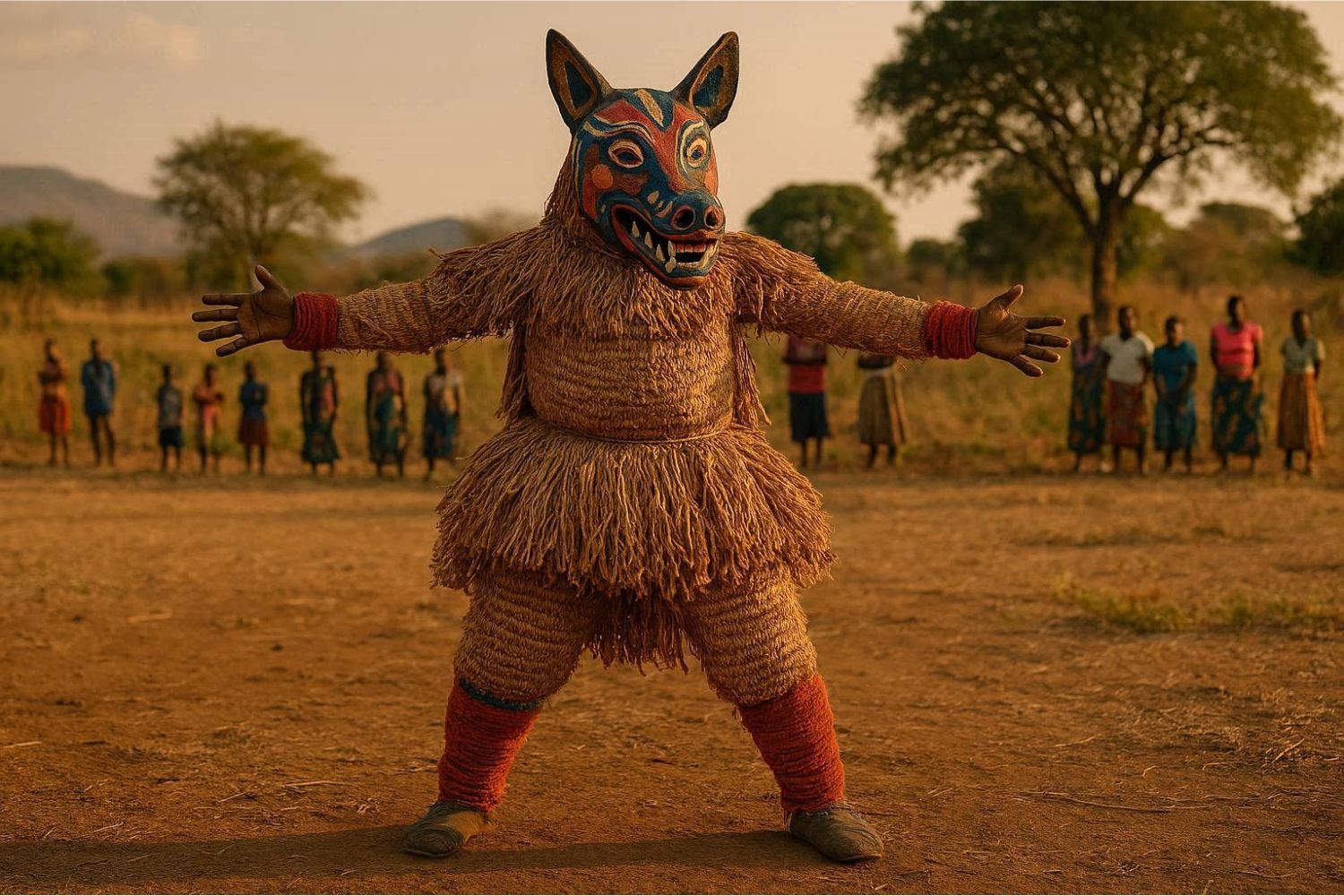
What makes it different from purely diplomatic frameworks is that it is anchored in living culture. The Kulamba ceremony, held every August in Zambia, already draws chiefs from Malawi and Mozambique to pay homage in person. The Nyau brotherhood performs Gule Wamkulu across all three countries. Chichewa is spoken on both sides of every border. The social infrastructure for cooperation exists. The Growth Triangle aims to connect it to economic infrastructure.
Kalonga Gawa Undi first called for this vision. Kalonga Sosola IX, from the restored seat at Mankhamba, has committed to making it real on Malawi’s side of the triangle.
The 2026 summit is the first formal step.
How to Get Involved
The Mankhamba Cultural Revival welcomes partners — from agricultural organisations and development agencies to cultural institutions and diaspora networks — who want to contribute to the Growth Triangle vision.
If you are a farmer, a trader, a researcher, or a community leader in Malawi, Zambia, or Mozambique, this summit is for you. Details on registration and participation will be published here as they are confirmed.