Our Archives

Archives — The Science of Mankhamba

The Living Record

Seven centuries of history, backed by science.

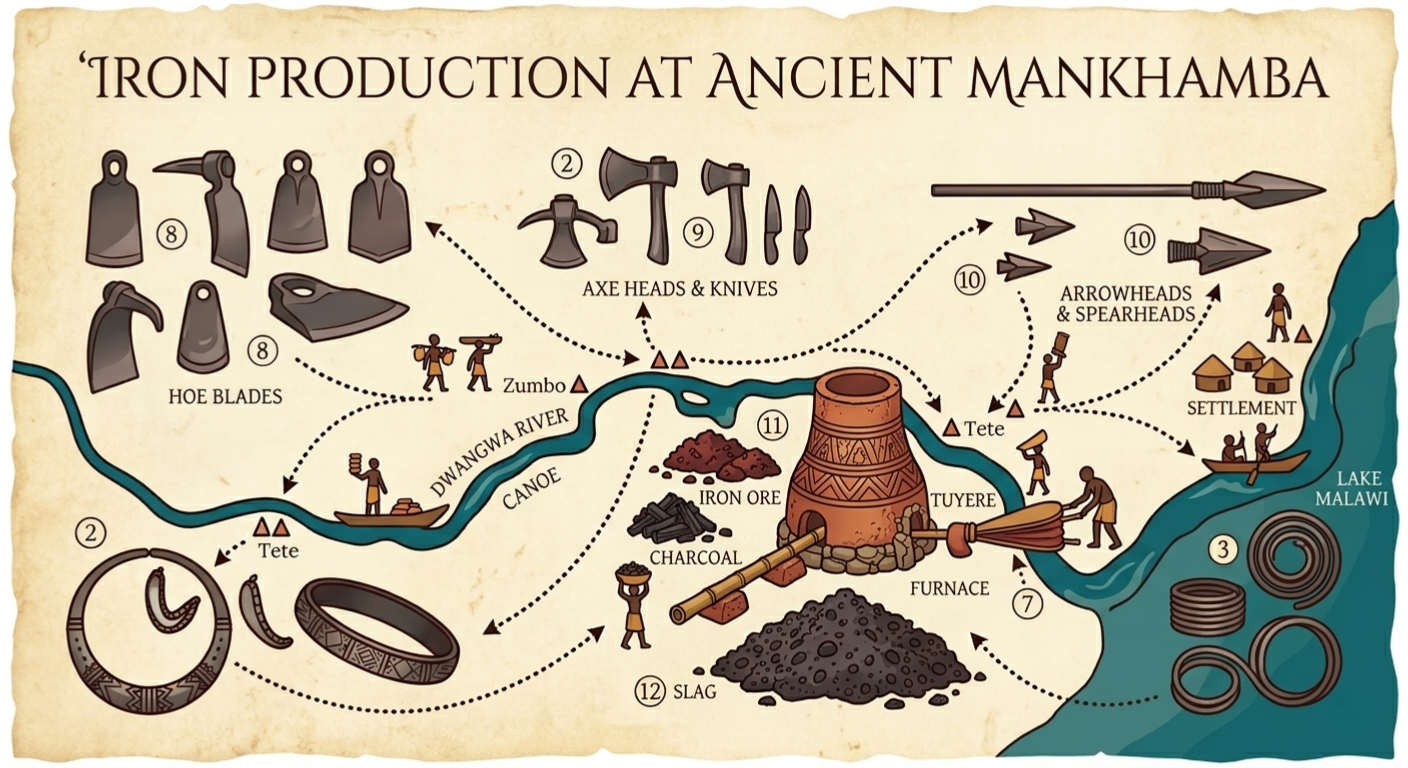
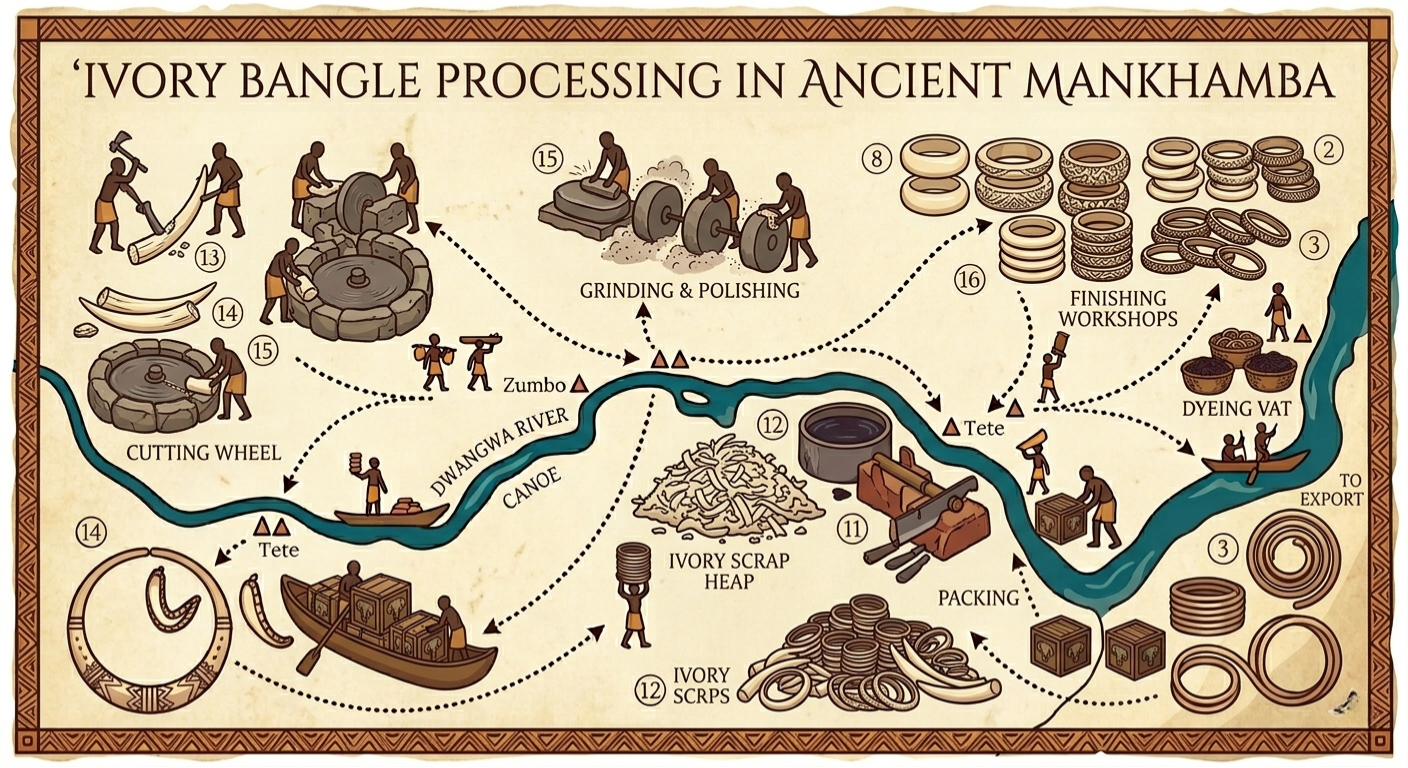
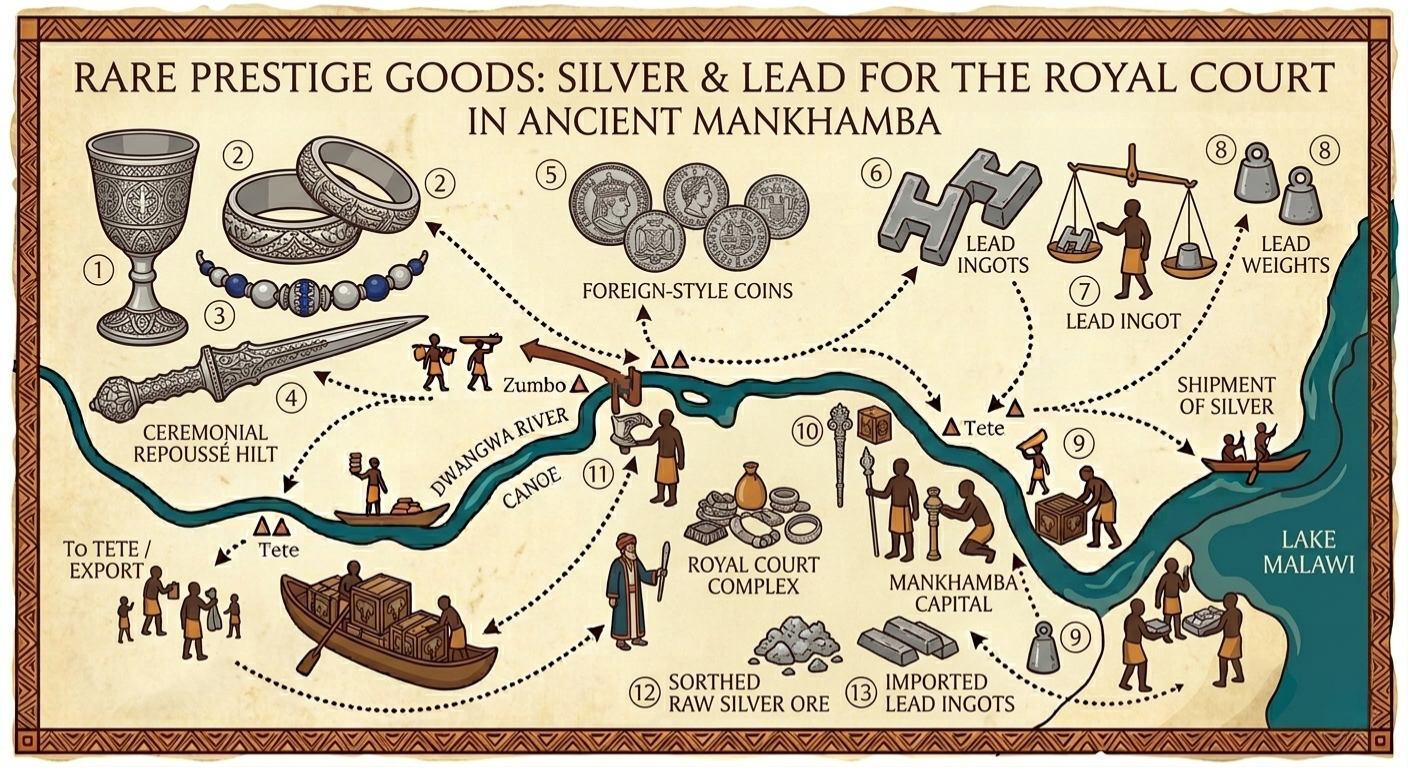
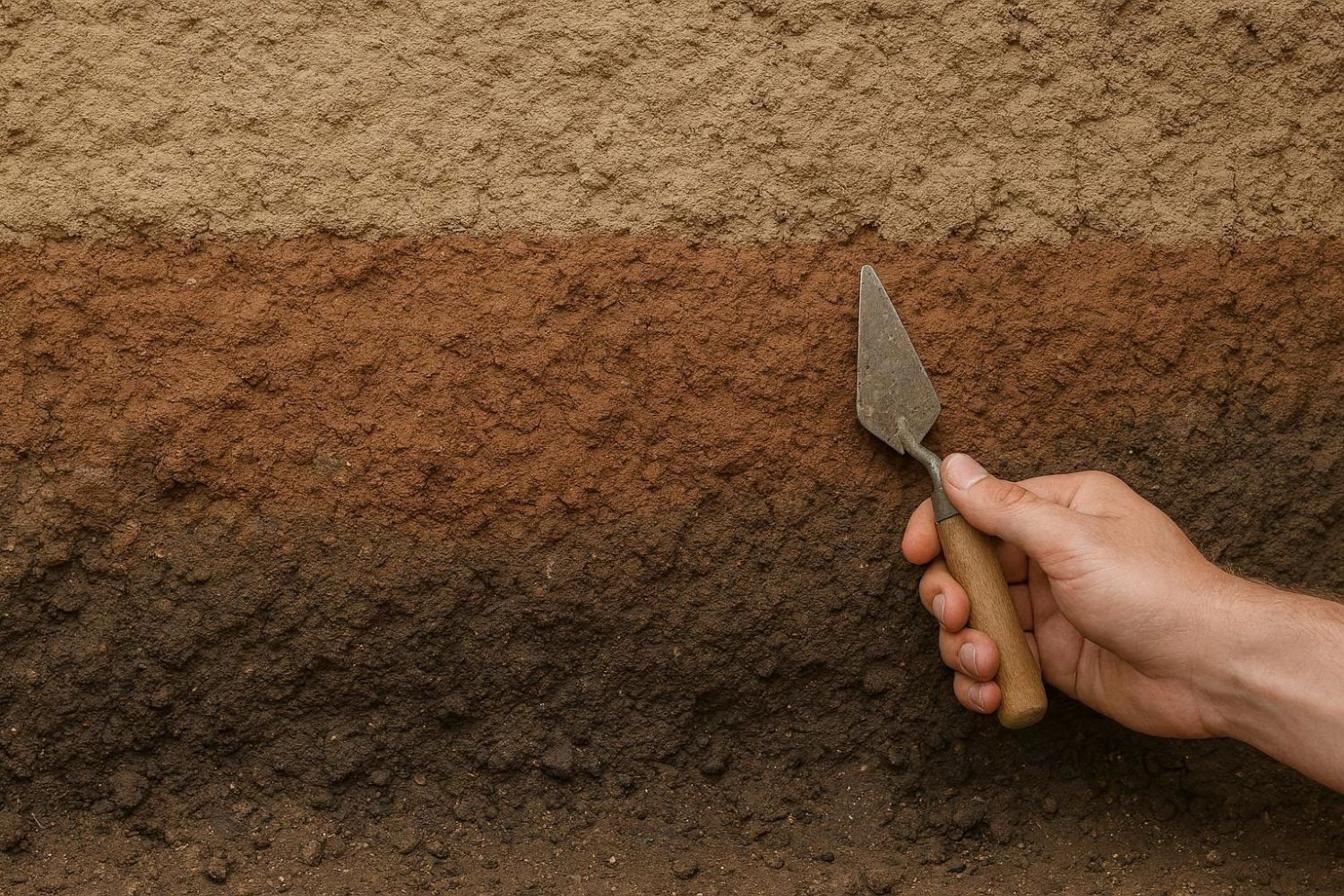
Mankhamba is not a legend. It is a documented, excavated site. Archaeologist Yusuf M. Juwayeyi spent years recovering its story from the soil. What he found confirmed what Chewa oral traditions had always said: this was a capital city, a centre of trade, and the seat of a powerful kingdom.

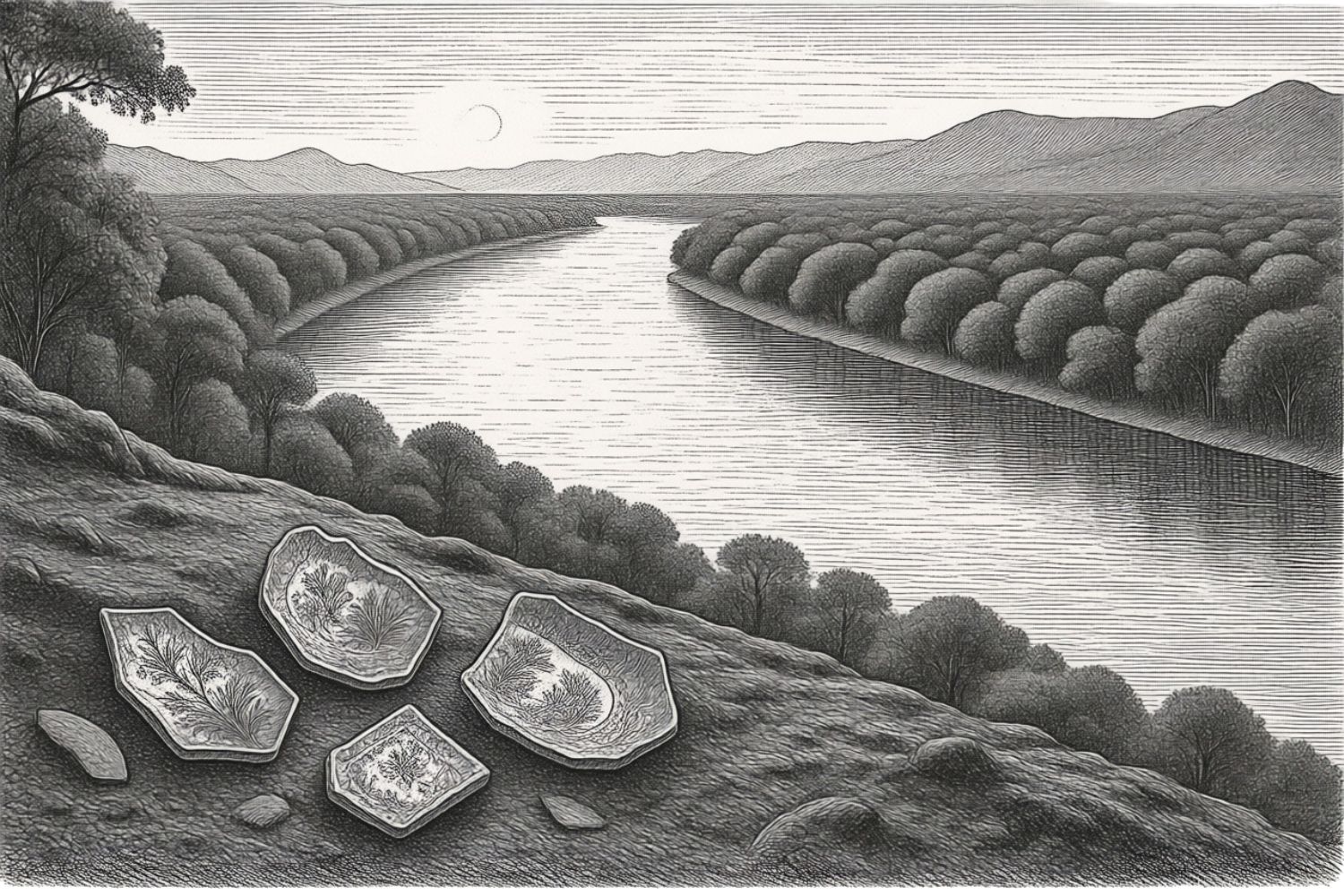
Thirty-one pieces of Chinese porcelain—blue-painted plates, saucers, and cups—were found at Mankhamba.

Chinese Porcelain (31 fragments)

Thirty-one pieces of Chinese porcelain—blue-painted plates, saucers, and cups—were found at Mankhamba. Their presence shows this capital was part of a global supply chain in the sixteenth century, brought by Portuguese traders from Macao via India and the Zambezi routes. These rare items were likely reserved for the Kalonga’s court and, like other major centres such as Great Zimbabwe and Khami, signify Maravi’s status among African powers. The specific porcelain type was produced only between 1540 and 1600, pinpointing Mankhamba’s international connections to that period.


Source: Juwayeyi, Y.M. Archaeology and Oral Tradition in Malawi, 2020. Chapters 8 & 12.

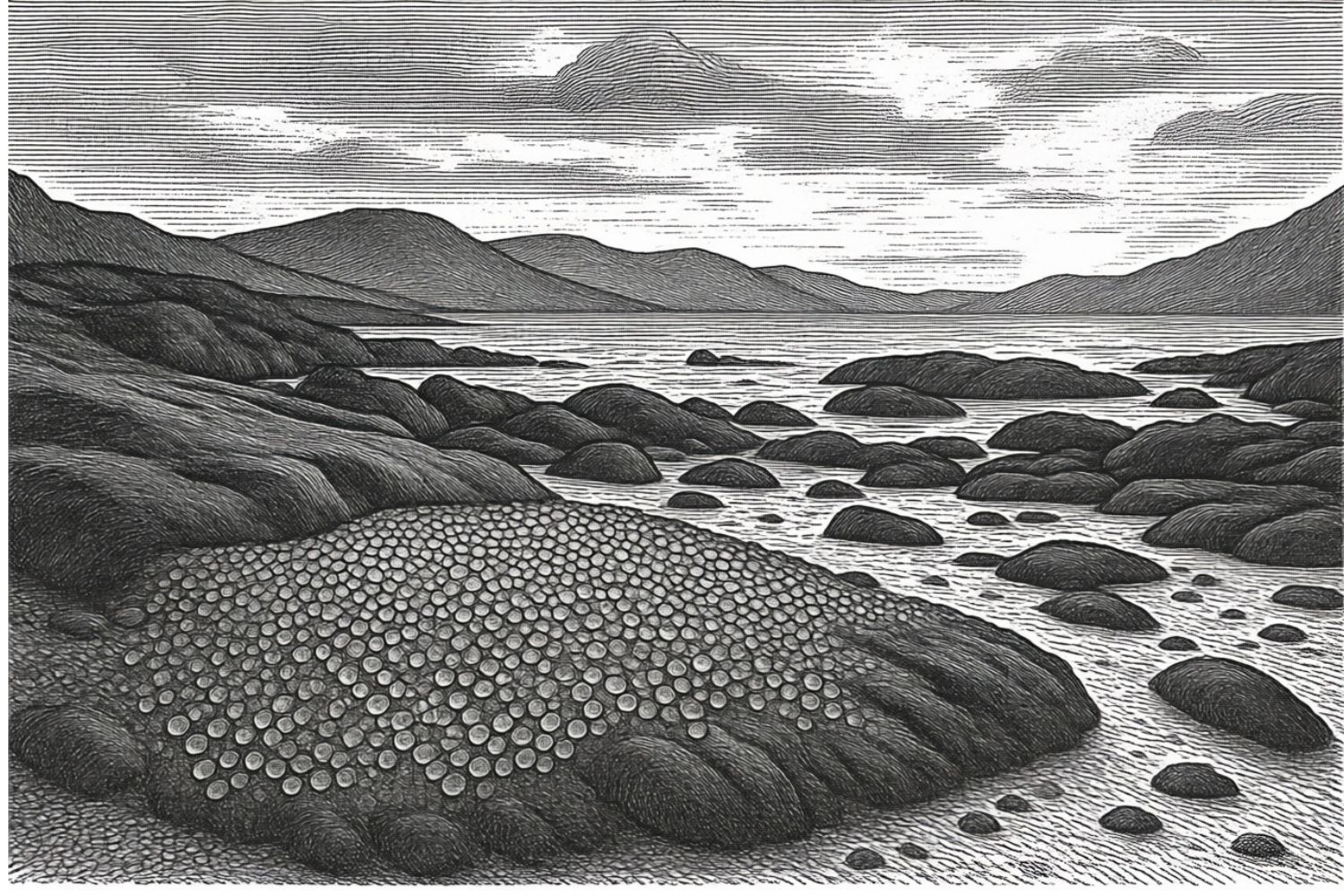
At Mankhamba, 5,335 glass beads were found—the largest non-burial Iron Age bead collection in Malawi.

Glass beads (5,335 pieces)

At Mankhamba, 5,335 glass beads were found—the largest non-burial Iron Age bead collection in Malawi. Most were Khami series beads: small, cylindrical, blue or reddish-brown, and made in India at Cambay and Nagapattinam ports. Moors first brought them to East Africa in the early 1400s, followed by the Portuguese in the 1500s. The beads became so popular that, when Africans rejected European-made beads, the Portuguese king ordered shipments of Indian beads instead. After the Dutch seized Nagapattinam in 1660, the supply stopped, and Khami beads were never replaced. The large number found at Mankhamba—including some fused in old fires—shows they were a common part of daily life, used as currency and traded over vast distances, linking Malawi to the Indian Ocean trade network.

Source: Juwayeyi, Y.M. Archaeology and Oral Tradition in Malawi, 2020. Chapters 7, 9 & 12.

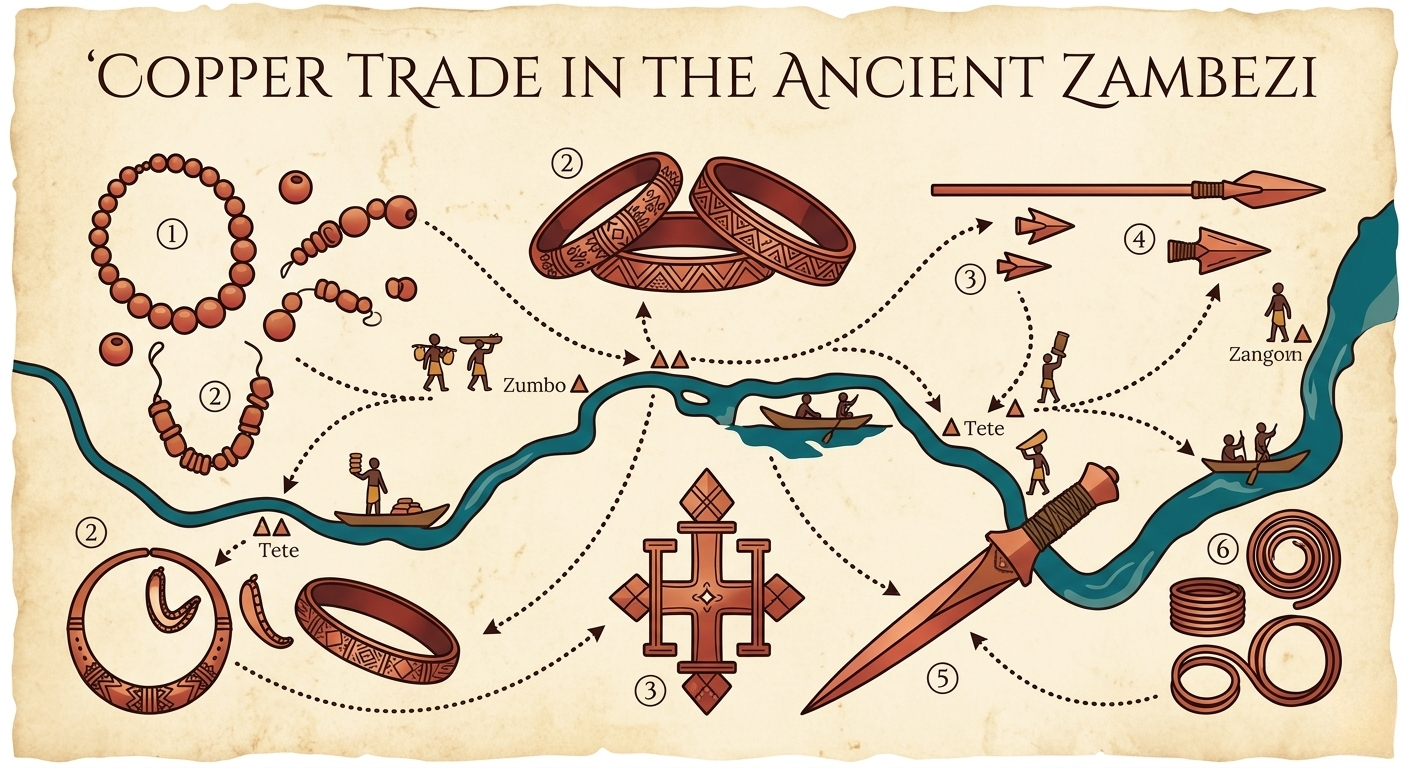
And even more artefacts…

All artefact data drawn from excavations led by Yusuf M. Juwayeyi, Mankhamba site, Dedza District.

Join the Revival

The restoration of the Maravi Kingdom belongs to all Chewa people — and to everyone who values African heritage. Whether you are a historian, a farmer, a student, or a member of the diaspora, there is a place for you in this movement.