The last Kalonga of Mankhamba was killed over a bed.
That is how the oral traditions of the Chewa tell it. A Yao chief named Mnanula had acquired a bed. In Chewa custom, subordinate chiefs were expected to send valuable items to the Kalonga as tribute. Mnanula sent nothing. When Sosola — the last Kalonga, known as Sosola Kalimakudzulu — called a meeting of the Yao chiefs to remind them of his authority, they apologised and promised to send the bed. When it arrived, it had been broken into pieces. Deliberately.
Sosola went to war. Mnanula shot and killed him. In triumph, Mnanula changed his name to Pemba.
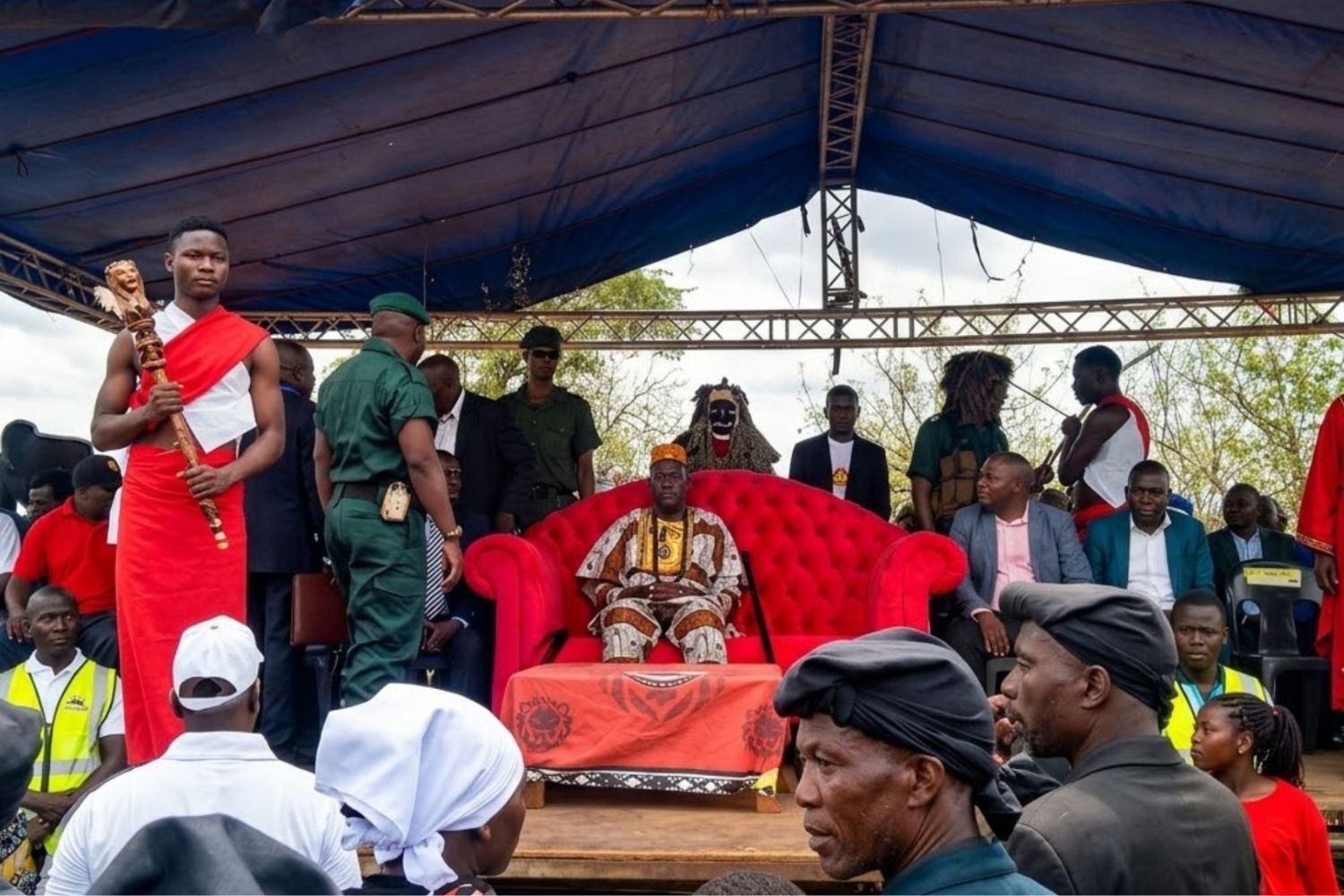
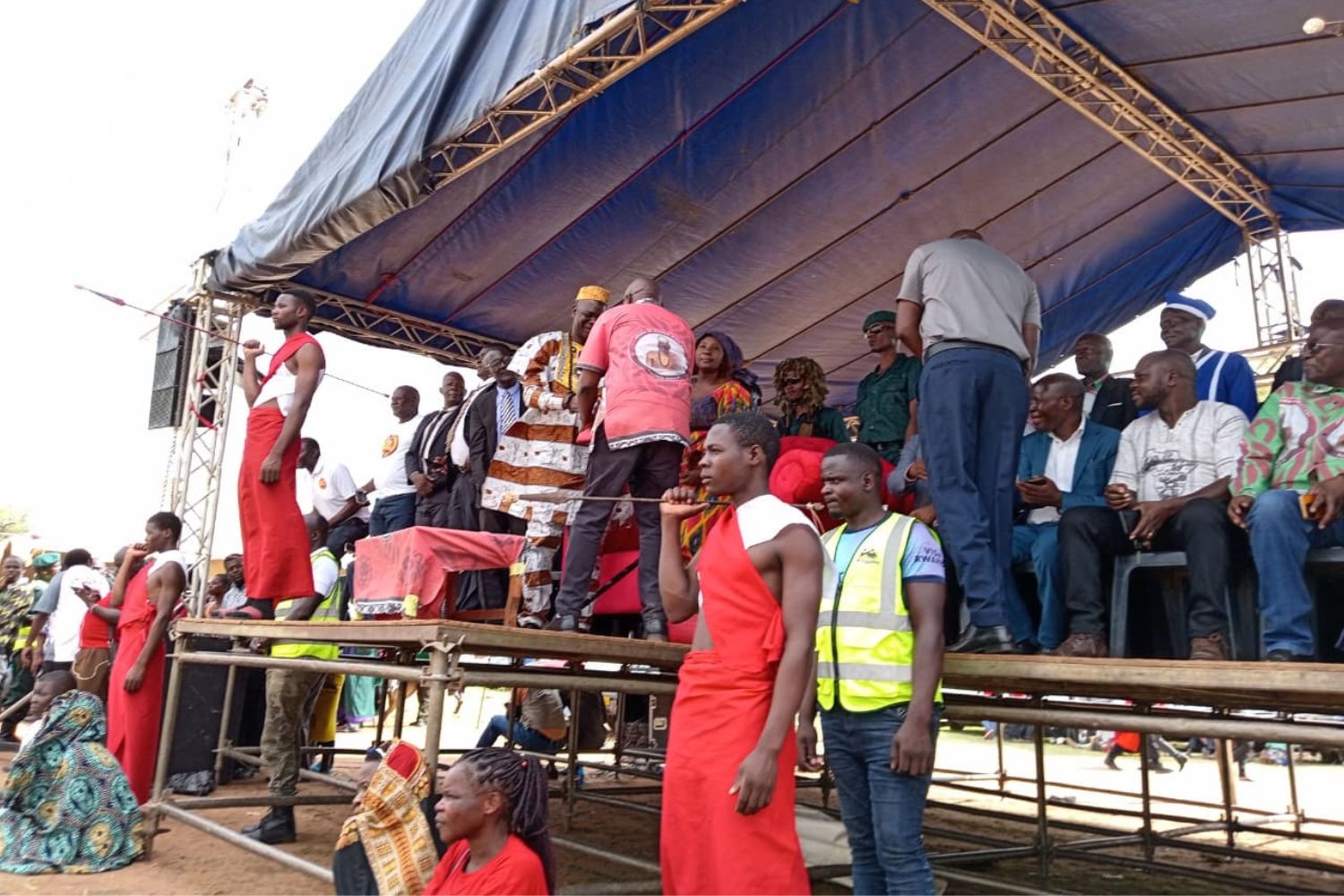
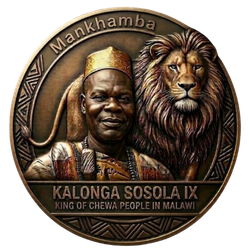
It was, historians note, the end of the house of Kalonga. It was the end of the Maravi state. And it left a throne empty for 162 years — until the dawn of 22 November 2025, when Raphael Nowa Phiri was crowned Kalonga Sosola IX at Sosola Village in Salima.
This is the story of how the Maravi Kingdom rose, declined, and fell — and how the Chewa people kept their identity alive through it all.
The Kingdom at Its Height: What Was at Stake
To understand how the Maravi Kingdom fell, you need to understand what it was at its peak.
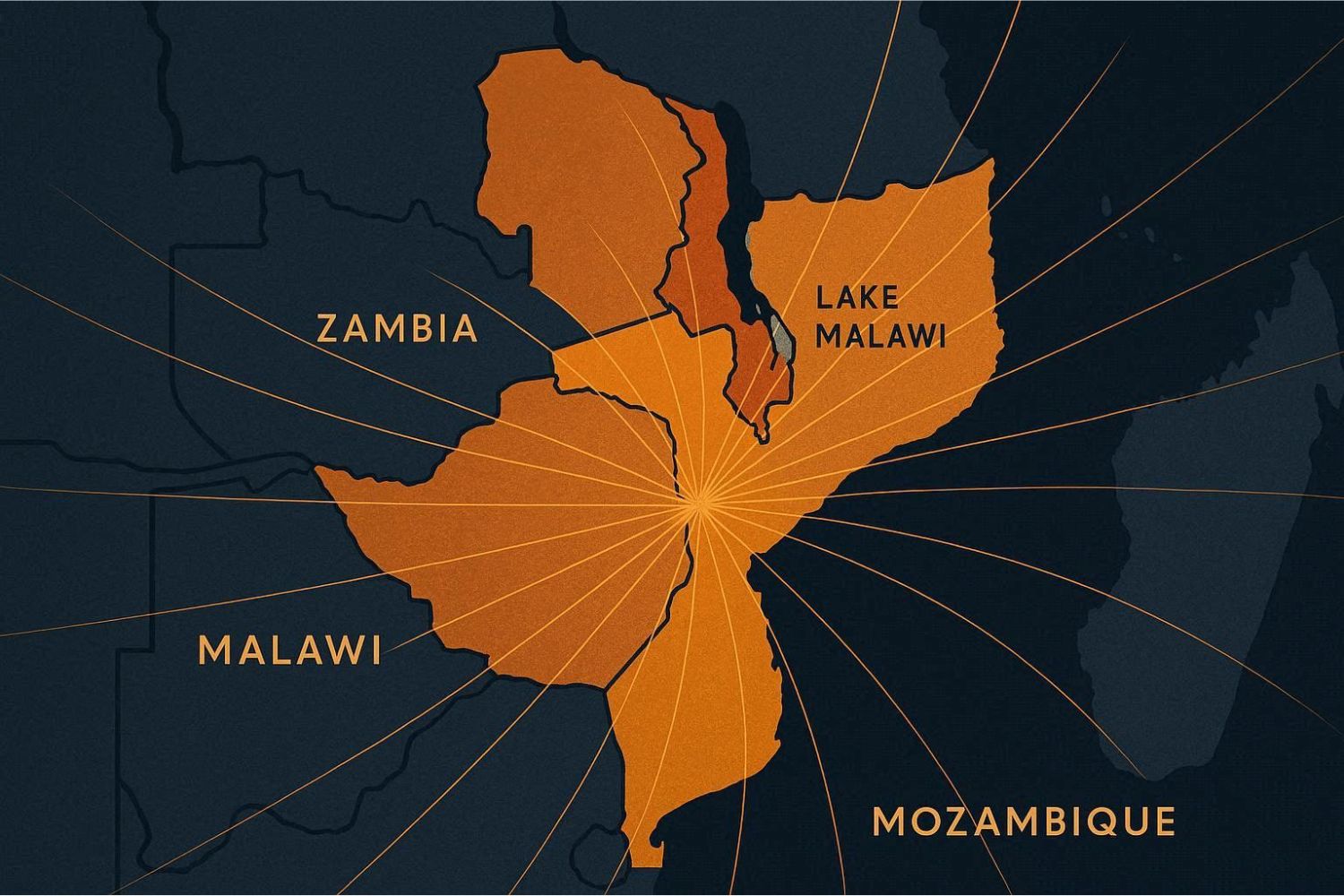
By the early 17th century, the Maravi Empire — headquartered at Mankhamba in what is now Dedza District — was the dominant political force in the region that covers modern Malawi, parts of Zambia, and parts of Mozambique. Portuguese observers described it as an empire. Their records show it was ruled by Kalonga Muzura, who came to power before 1608 and extended his authority from Nkhotakota in the north all the way to the Zambezi Valley in the south, with influence reaching the Indian Ocean coast.
The Kalonga’s power rested on two foundations. The first was trade. Ivory — the most valuable commodity in the region — flowed to Mankhamba from across the kingdom. The Kalonga controlled its distribution. In return, prestige goods — Chinese porcelain, Indian glass beads, copper from Zambia’s Copperbelt — reached Mankhamba and were redistributed to loyal chiefs, buying their cooperation. The second foundation was political structure. The Kalonga sent relatives to govern sub-kingdoms across the region, binding distant territories to Mankhamba through kinship and tribute. At the top of this structure sat the “never-ending fire” — a ritual flame sustained at the capital that was only extinguished when the Kalonga died, symbolising his role as a semi-divine figure essential to the nation’s wellbeing.
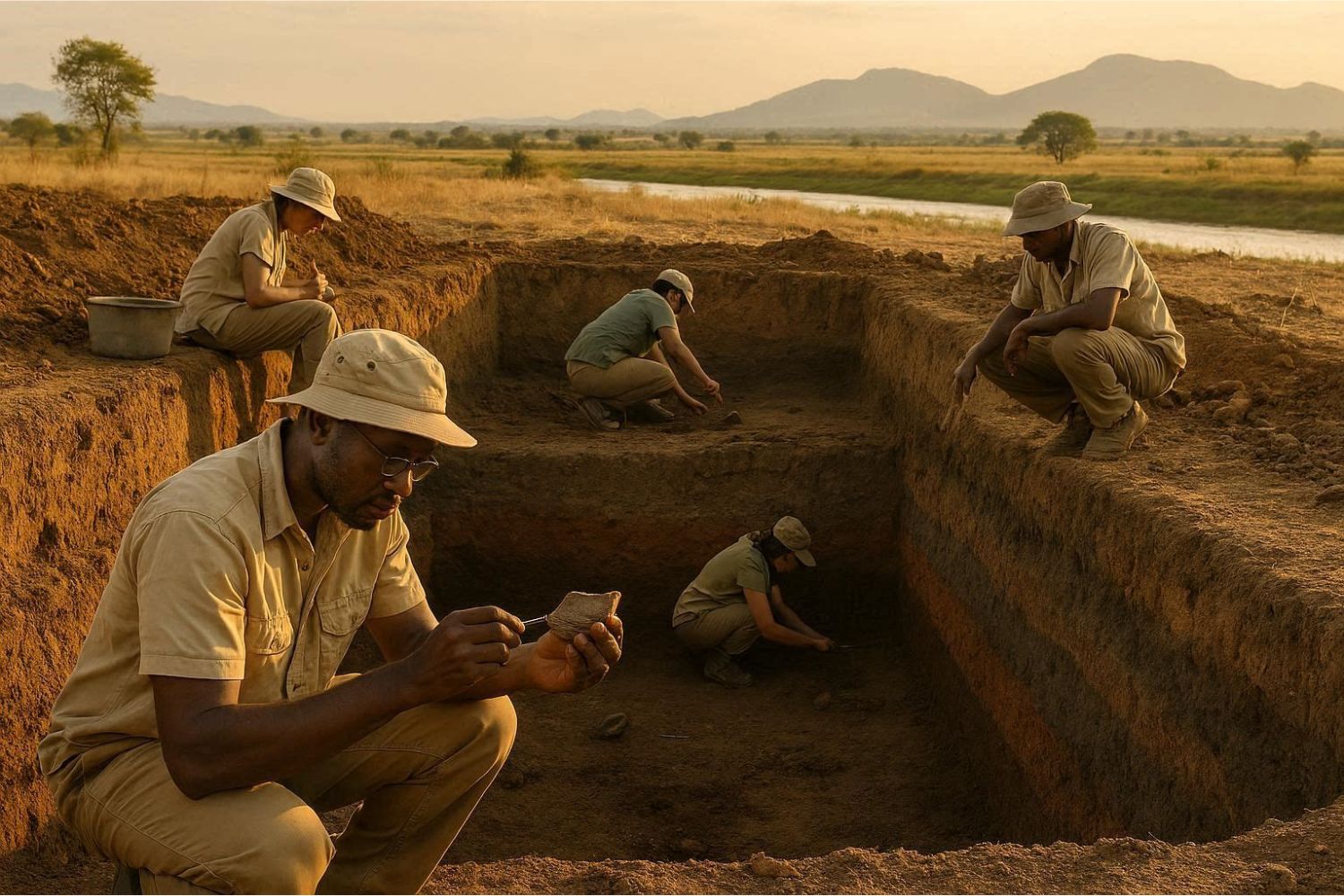
This was a sophisticated state. Archaeology confirms it. Dr Yusuf Juwayeyi’s excavations at Mankhamba recovered 377 copper objects, 5,335 glass beads, 31 fragments of Chinese Ming Dynasty porcelain, and the largest ivory assemblage found at any Iron Age site in Malawi. These were not the possessions of a simple chieftaincy. They were the material remains of a cosmopolitan capital with global trade links.
The First Cracks: Internal Fragmentation
The seeds of the kingdom’s decline were planted within its own structure.
The Maravi used an unusual system of succession. Kings could not be succeeded by their own children — the next Kalonga had to come from the Phiri clan and be a descendant of Nyangu, the Kalonga’s sister or mother. This system depended on cooperation between the Phiri clan (which provided the king) and the Banda clan (which controlled the sacred capital and held ritual authority). It worked when both sides respected the arrangement. When they did not, it became a source of constant instability.
The breakdown began when the Kalonga’s most powerful sub-king, Undi, left Mankhamba and took Nyangu with him. Since Nyangu was now at Undi’s court rather than at Mankhamba, the responsibility for nominating Kalonga’s successors fell into dispute. The Banda clan’s counsellors at Mankhamba eventually took over the role. But the system became open to manipulation. Oral traditions recorded by historian Samuel Ntara show that disturbances multiplied as candidates who were not of the Phiri clan — like Kampini, who preceded the last Kalonga — began to seize the title.
At the same time, the trade that had funded Maravi prosperity began to shift. Territorial chiefs who had once remitted ivory to Mankhamba began trading directly with Portuguese and Arab merchants, bypassing the Kalonga’s central authority. By 1696, Portuguese merchants on the coast were complaining that the Kalonga and a select group of chiefs monopolised the ivory trade — which tells us the system was already under stress from those being cut out. By the 18th century, growing instability had so weakened Kalonga’s grip that the people of Mankhamba abandoned the site. The ancient capital fell quiet.
The External Blow: Yao Guns and Ngoni Warriors
A weakened state is vulnerable. What came next was catastrophic.
From the mid-19th century, two powerful groups moved into the region. The Yao, fleeing famine and conflict in northern Mozambique, settled across southern and central Malawi. They had spent decades trading with Arab and Swahili merchants on the East African coast, and through that trade they had acquired firearms. In the mid-19th century, no force in the Malawi region could match an armed Yao raiding party. The Yao did not come to farm — they came for slaves and ivory, and they had the weapons to take both.
Simultaneously, the Ngoni arrived from the south. Fleeing the Mfecane wars in southern Africa under their chief Zwangendaba, the Ngoni were a formidable military force who absorbed the communities they overran, adding fighters to their ranks as they moved. They raided the Chewa for food and subjects.
Between the Yao in the east and the Ngoni in the west, the Chewa — already politically fragmented — were trapped. Villages were depopulated. Political authority collapsed across vast areas. The Mang’anja and Nyanja chiefs, sub-kingdoms that had once been part of the Maravi confederacy, lost their power one by one.
Sosola's Last Stand: Diplomacy That Failed
The last Kalonga, Sosola Kalimakudzulu, came to power in the middle of this chaos. He was a ruler trying to govern what was left of a broken empire, surrounded by groups that could overpower him militarily.
His response was diplomacy — and it shows both his intelligence and his desperation.
First he tried the Ngoni. Knowing that the Ngoni valued cattle above all else, Sosola showed their leaders a basket of cattle dung as proof that he could lead them to rich cattle lands. The Ngoni were not impressed. They refused to help.
He then tried a Yao group led by Kawinga, offering the same incentive. The Yao wanted slaves, not cattle. They also refused.
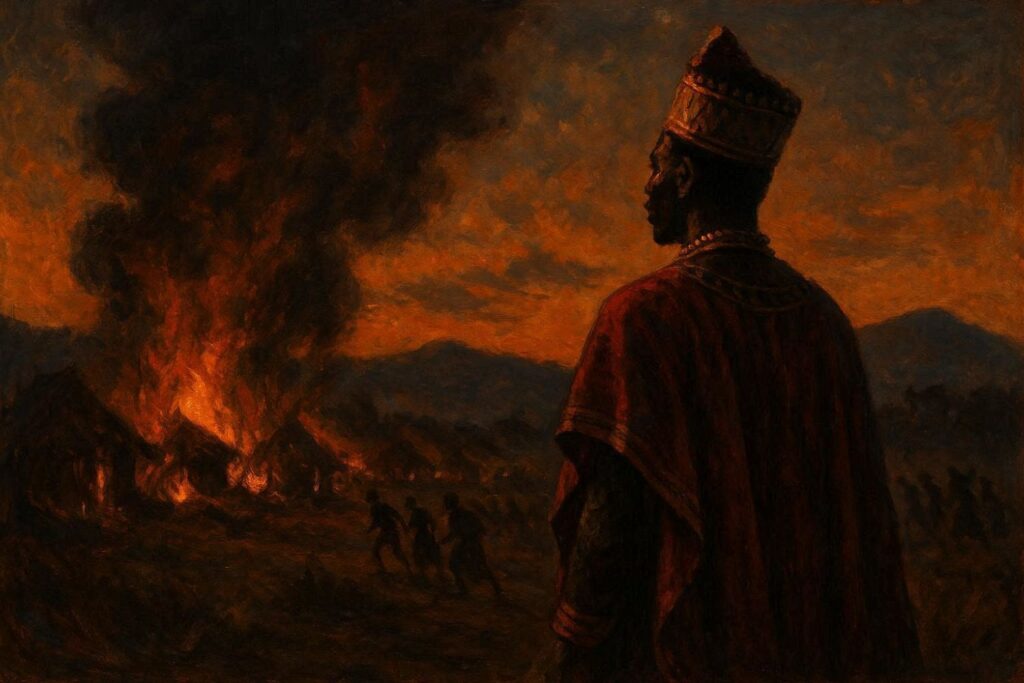
Finally, Sosola found an ally: a Yao group led by Msamala and his son Mponda. They accepted his call for help. They fought and defeated the Yao group led by Mnanula — driving them north. Sosola must have felt relief. It was short-lived. Msamala and Mponda did not leave. Instead, they began raiding the Chewa communities they had just been invited to protect. The devastation was severe enough that Sosola himself had to abandon the Mangochi area. He went north and settled near Mankhamba — which brought him into close proximity with Mnanula’s regrouped settlement.
The rest followed. The confrontation over the bed. The broken tribute. The war. The shot that killed the last Kalonga.
As historian Samuel Ntara wrote: Sosola’s death marked the end of the house of Kalonga. In his defeat, Mnanula changed his name to Pemba in triumph, and the Yao took control of the southern Lake Malawi area unchallenged for at least two decades.
The Long Silence: 162 Years Without a King
Sosola VIII died in the 1860s. After that, there was no Kalonga.
The British arrived in 1891 and established Nyasaland as a protectorate. They brought their own administrative structure and made traditional chiefs operate under colonial authority. No Chewa chief — no matter their lineage — held real independent power. In 1934, under pressure from Christian missionaries who viewed traditional rituals as incompatible with their mission, the British banned the Kulamba ceremony — the annual gathering where Chewa chiefs from across the region paid homage to their king. The ban held for fifty years.
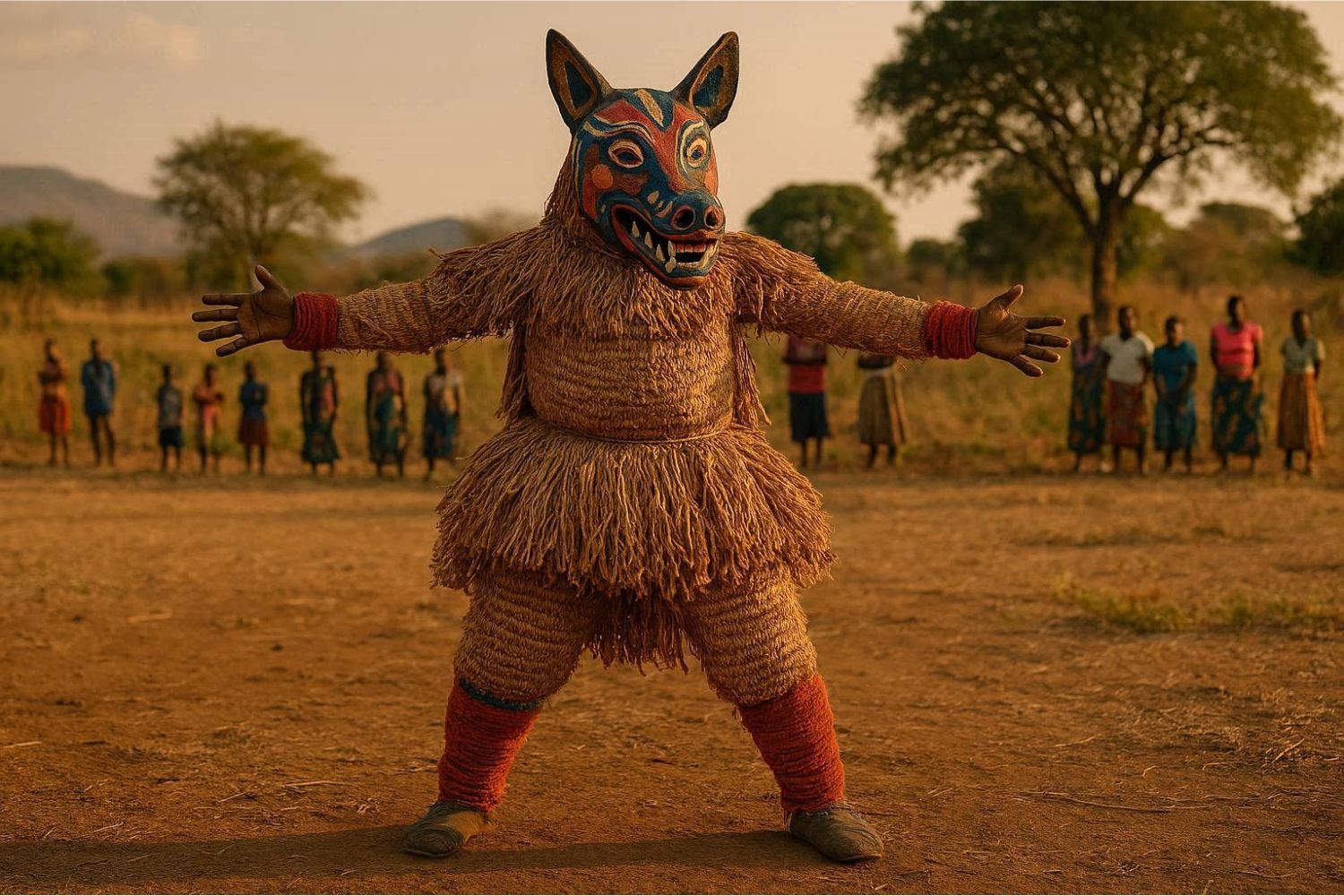
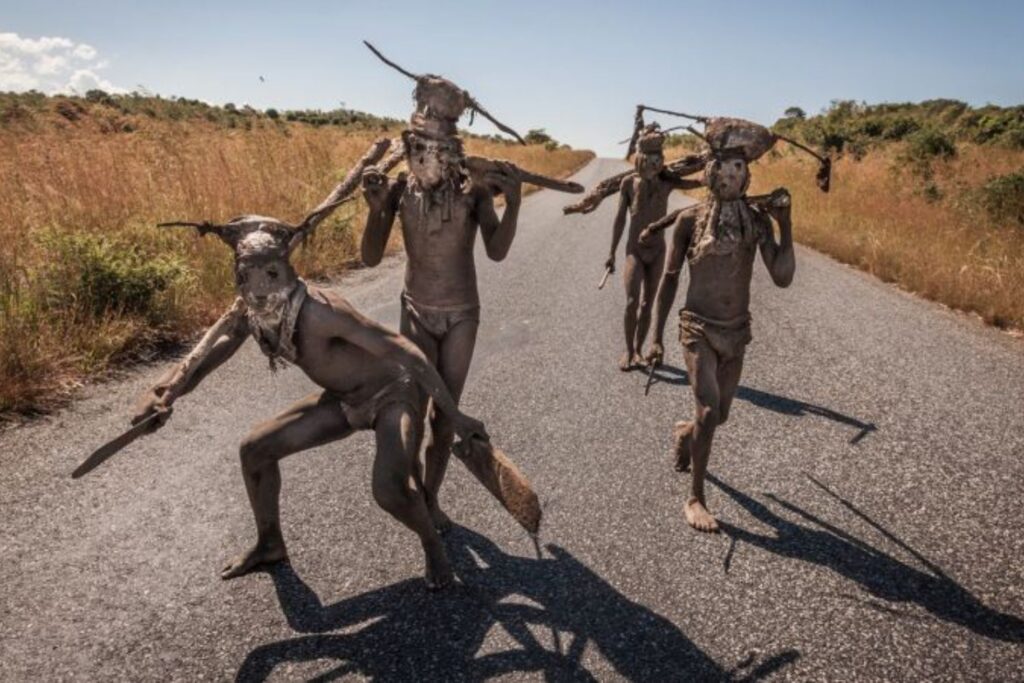
But the Chewa did not disappear. They did not lose their identity. They held onto their language — Chichewa and Chinyanja, now Malawi’s national language. And they held onto the Nyau brotherhood, whose Gule Wamkulu dance could not be banned by any colonial government because it had no fixed headquarters, no single leader, and no address at which an order could be served. In every village, in every community where initiated Nyau members lived, the Great Dance continued.
This is the fact that makes the 162-year interregnum remarkable: the Chewa survived it not through kings but through culture. The dance, the language, and the oral traditions kept the memory of Mankhamba alive across generations — waiting for the moment when the throne could be filled again.
The 2025 Tombstone: Honouring Sosola VIII Before Crowning Sosola IX
On 23 August 2025, three months before the coronation of Kalonga Sosola IX, something important happened at Mankhamba. Officials of the Malawi Chewa Heritage organisation, led by Raphael Nowa Phiri — who would soon become Sosola IX — held a tombstone unveiling ceremony for Kalonga Sosola VIII, who was killed during conflicts involving the Chewa, Ngoni, and Yao in 1863 at Mankhamba in Dedza District.
High priests and priestesses from the Makewana Shrine performed libation rites in honour of the fallen king.
This was not a detail. It was a declaration. Before claiming the throne, the revival movement first stopped to acknowledge the king whose death had left it empty. The line from Sosola VIII to Sosola IX is not metaphor. Sosola IX takes his name directly from the last king — the ninth in a dynasty whose previous holder was killed over 160 years ago, whose death brought the Maravi state to an end, and whose memory was kept alive in the oral traditions that Dr Juwayeyi used to find Mankhamba in the first place.
The throne was empty for 162 years. The Chewa remembered who sat there last. And on the morning of 22 November 2025, as Makewana handed the Staff of Authority to Raphael Nowa Phiri at 5:00 AM in Sosola Village, the line of succession — broken in the 1860s by a Yao bullet — was restored.
“In Sosola’s defeat, an ecstatic Mnanula changed his name to Pemba. The bed story as narrated by Ntara sounds silly, but it helps to demonstrate the animosity that existed between the Chewa and the Yao in the area.” — Dr Yusuf M. Juwayeyi, Archaeology and Oral Tradition in Malawi, 2020
To learn more about the revival of the Kalonga lineage, read our article on the How Kalonga Sosola IX Was Crowned at Sunrise. To explore the archaeological evidence from Mankhamba’s ancient capital, visit our Archives section.