Agriculture is not a side activity in Malawi. It is the backbone of the economy, contributing almost a quarter of GDP and employing three-quarters of the population, mostly through small-scale subsistence farming. In rural areas, the stakes are even higher. In early 2025, over one in four Malawians faced crisis levels of food insecurity.
For a smallholder farmer in Salima or Dedza, the question is not abstract. It is the same question every planting season: how do I get quality seed? How do I pay for fertiliser? And what happens if the rains are late and the harvest falls short?
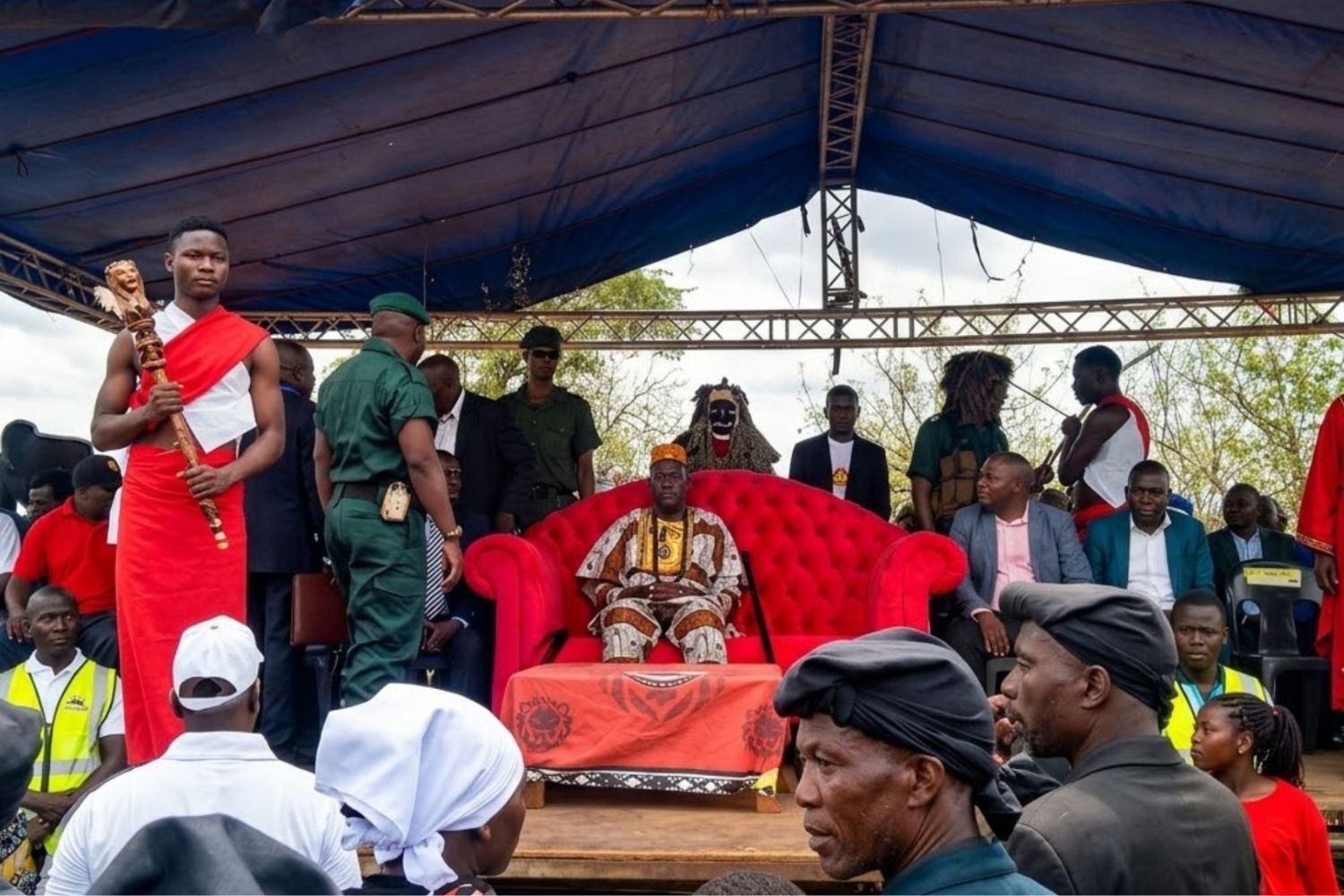
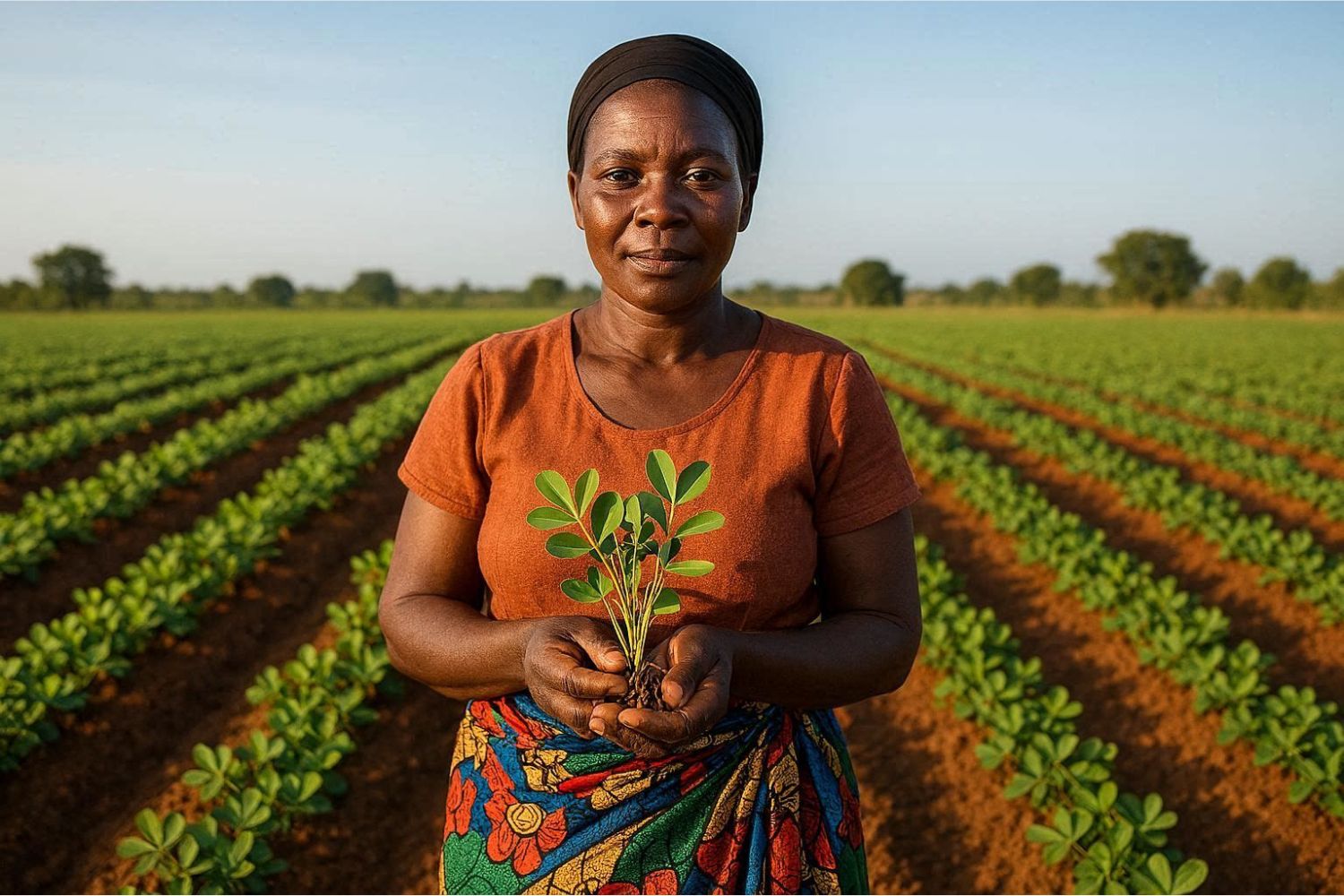
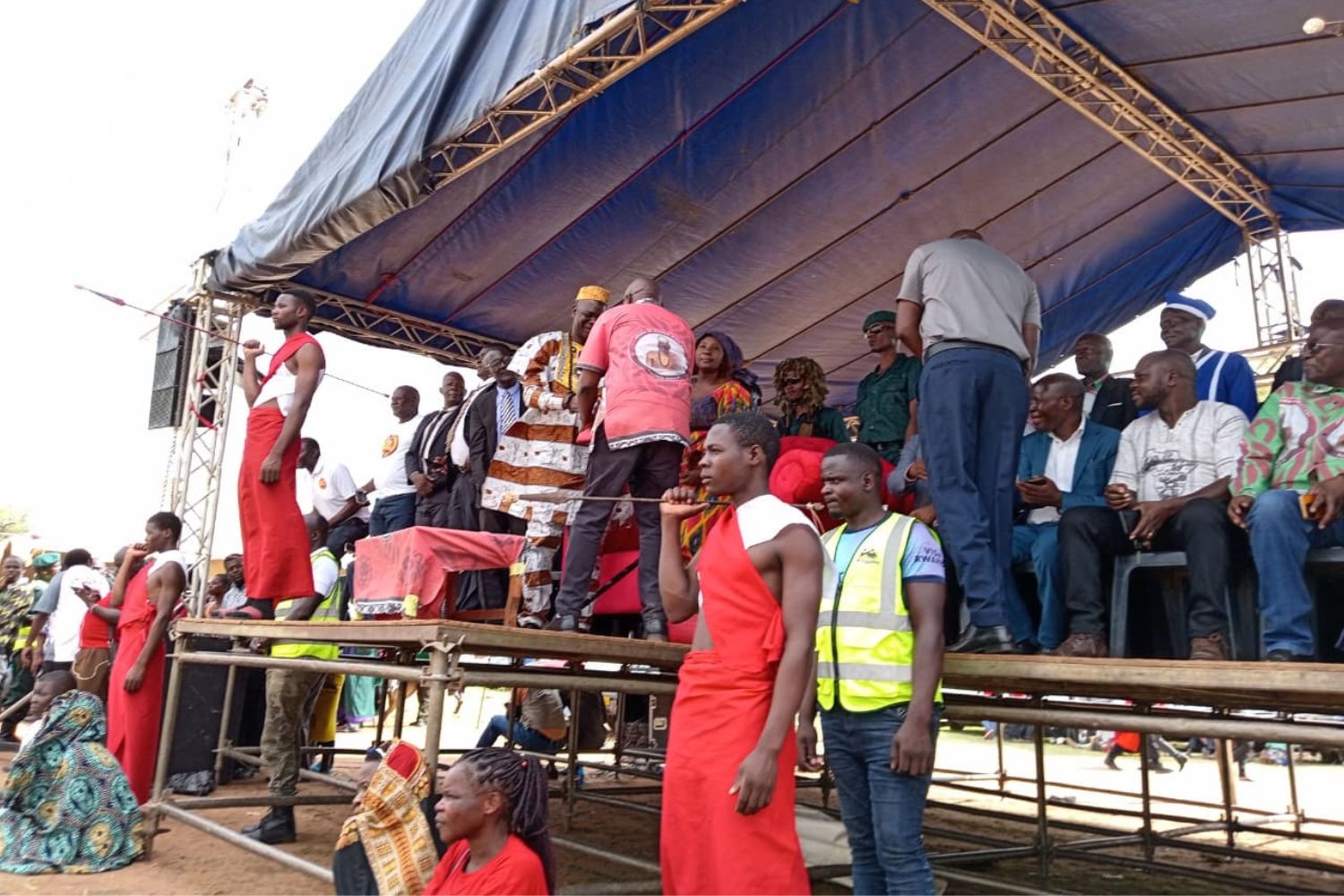
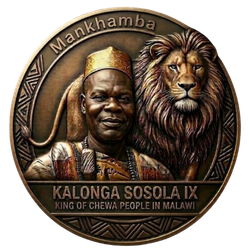
Chewa Development Holdings Limited — known as CDHL — is a new answer to that question. It is the agricultural and economic arm of the Mankhamba Cultural Revival, announced by Kalonga Sosola IX at his coronation in November 2025. Its first practical step is a distribution cycle for CG9 groundnut seeds, targeting 500 smallholder farmers in Salima and Dedza ahead of the 2026 planting season.
This article explains what CDHL is, how it works, and why the approach it takes is different from what has come before.
The Problem CDHL Is Designed to Solve
Malawi’s government has run agricultural input subsidy programmes in various forms since the 1950s. The most recent version, the Farm Inputs Subsidy Programme (FISP), targets smallholder farmers with subsidised fertiliser and improved seed. In principle, it is a good idea. In practice, it has struggled.
Distribution delays continue to undermine one of the country’s most critical social investment schemes.In past years, FISP suffered from delays, flawed beneficiary lists, and corruption. Farmers waiting for fertiliser at depots have found themselves camping for days, watching their maize reach the knee and urgently needing nutrients that had not yet arrived.
Kalonga Sosola IX acknowledged this problem at his coronation address in Salima. He pointed to something specific: the tension between chiefs and their communities over how fertiliser coupons are distributed under government programmes.
“There is often tension between chiefs and their subjects over the distribution of fertiliser coupons under government subsidy programmes. This new initiative will help close that gap.” — Kalonga Sosola IX, 22 November 2025
CDHL is not designed to replace government programmes. It is designed to complement them — filling the gaps they leave, operating through community structures that already have trust built in, and focusing on crops that have the strongest market potential in the Salima and Dedza region.
The CG9 Groundnut: Why This Crop?
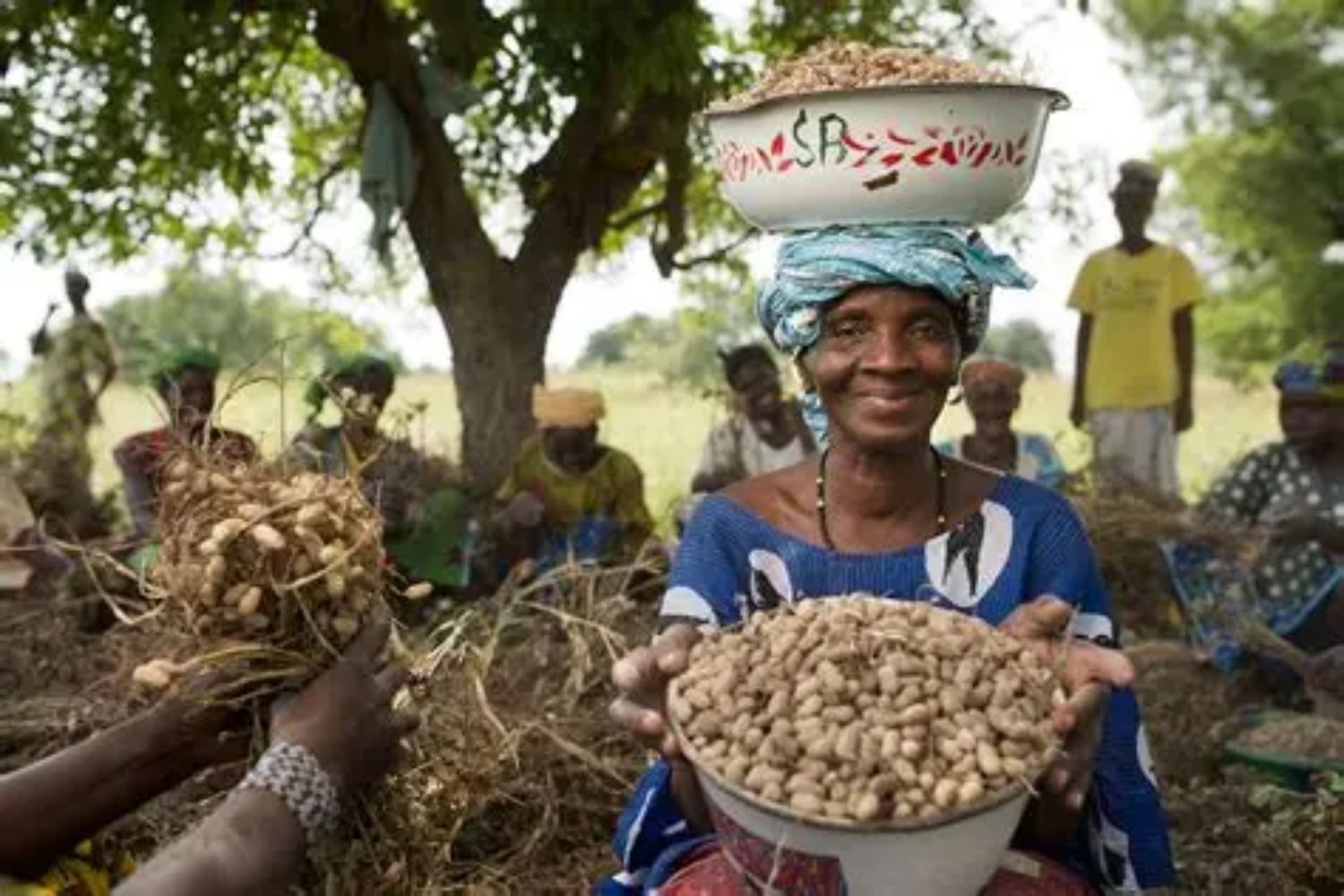
The first CDHL distribution focuses on CG9 groundnuts — the improved variety formally known as ICGV-SM 08503, developed through the International Crops Research Institute for the Semi-Arid Tropics (ICRISAT) and recommended for Malawi’s central region conditions.
CG9 is drought-tolerant and matures in roughly 90 to 110 days. It was developed to perform well under the variable rainfall conditions that Malawian farmers face, and it has resistance to rosette disease — one of the most destructive groundnut diseases in the region, capable of causing total crop failure in severe cases.
Groundnuts matter beyond the farm gate. Malawi was once southern Africa’s top groundnut exporter in the 1980s Nation Online, before a combination of market reforms and post-harvest problems with aflatoxin contamination cut into its position. The crop grows naturally in the central region, where Salima and Dedza sit. Smallholders who produce clean, certified-quality groundnuts have real export potential — but only if they have the right seed variety and the knowledge to handle the crop correctly from planting to storage.
CDHL’s first cycle brings CG9 seed directly to farming communities in Salima and Dedza, bypassing the bottlenecks that slow down government distribution.
How CDHL Works: Community-Rooted Finance
CDHL is not a commercial bank. It operates on a model that combines formal lending criteria with traditional community accountability.
To access seeds or input loans through CDHL, a farmer must meet four conditions.
Traditional endorsement. The applicant must be a recognised member of a Chewa community, with confirmation from their local village headman or chief. This is the anchor. The village headman knows which families farm which land, who is reliable, and who will need additional support. Traditional authority acts as the first layer of trust and verification — something no centralised government registry can replicate.
Land access. The applicant must have access to arable land — a minimum of one to two hectares for the smallholder programme. CDHL does not require formal land title, which excludes many rural farmers from commercial lending. Access, confirmed by community leaders, is sufficient.
Training commitment. Borrowers must attend CDHL-sponsored workshops covering modern agronomic practices and basic financial literacy. This is not a bureaucratic requirement. It is part of the model: farmers who understand how CG9 behaves in the soil, how to space plants correctly, and how to store groundnuts to prevent aflatoxin contamination are far more likely to produce a successful crop and repay their inputs.
Cooperative membership. Preference goes to farmers organised into cooperatives. This reduces individual risk, gives farmers collective bargaining power when selling their harvest, and makes the programme easier to administer at scale.
Repayment terms are structured around the harvest cycle — farmers do not repay during the growing season. They repay after they have sold their crop.
The Broader Picture: Self-Dependence as Policy
CDHL sits within a larger vision that Kalonga Sosola IX calls “self-dependence” — the idea that the Chewa people of Malawi should build their own economic foundations rather than rely on external aid or government allocation.
This is not an abstract slogan. It has specific practical meanings.
When a community controls its own seed supply through a lending structure it trusts, it is less vulnerable to government distribution delays. When farmers grow a crop with genuine export value — clean, certified CG9 groundnuts — they have something to sell beyond the local market. When cooperatives pool resources and negotiate collectively, they get better prices. When traditional leaders are part of the verification and accountability process, the politics of coupon allocation lose their grip.
The fertiliser tension that Kalonga Sosola IX described at his coronation is real and documented. Experts have consistently warned that delivery, not vision, determines whether agricultural programmes become solutions or empty promises. Nation Online CDHL’s design tries to address the delivery problem directly — by keeping distribution short, local, and embedded in community authority.
Labour Support and Infrastructure
Beyond seed distribution, CDHL has two additional lending streams in its first phase.
Labour peak support provides funding to help farmers manage costs during the most labour-intensive periods — planting, weeding, and the groundnut harvest itself. For farmers with small landholdings and no cash reserves, paying for additional help during these windows is often the difference between a good harvest and a missed one.
Infrastructure and mechanisation loans offer access to low-interest financing for irrigation equipment. Dedza’s climate is better suited to groundnut production than many parts of Malawi, but unpredictable rains remain a risk. Basic irrigation reduces that risk — and enables some farmers to extend their growing season. This is small-scale, practical infrastructure: a pump, a hose system, a storage tank. Not a major project, but meaningful at the household level.
The Target: 500 Farmers, Two Districts, One Season
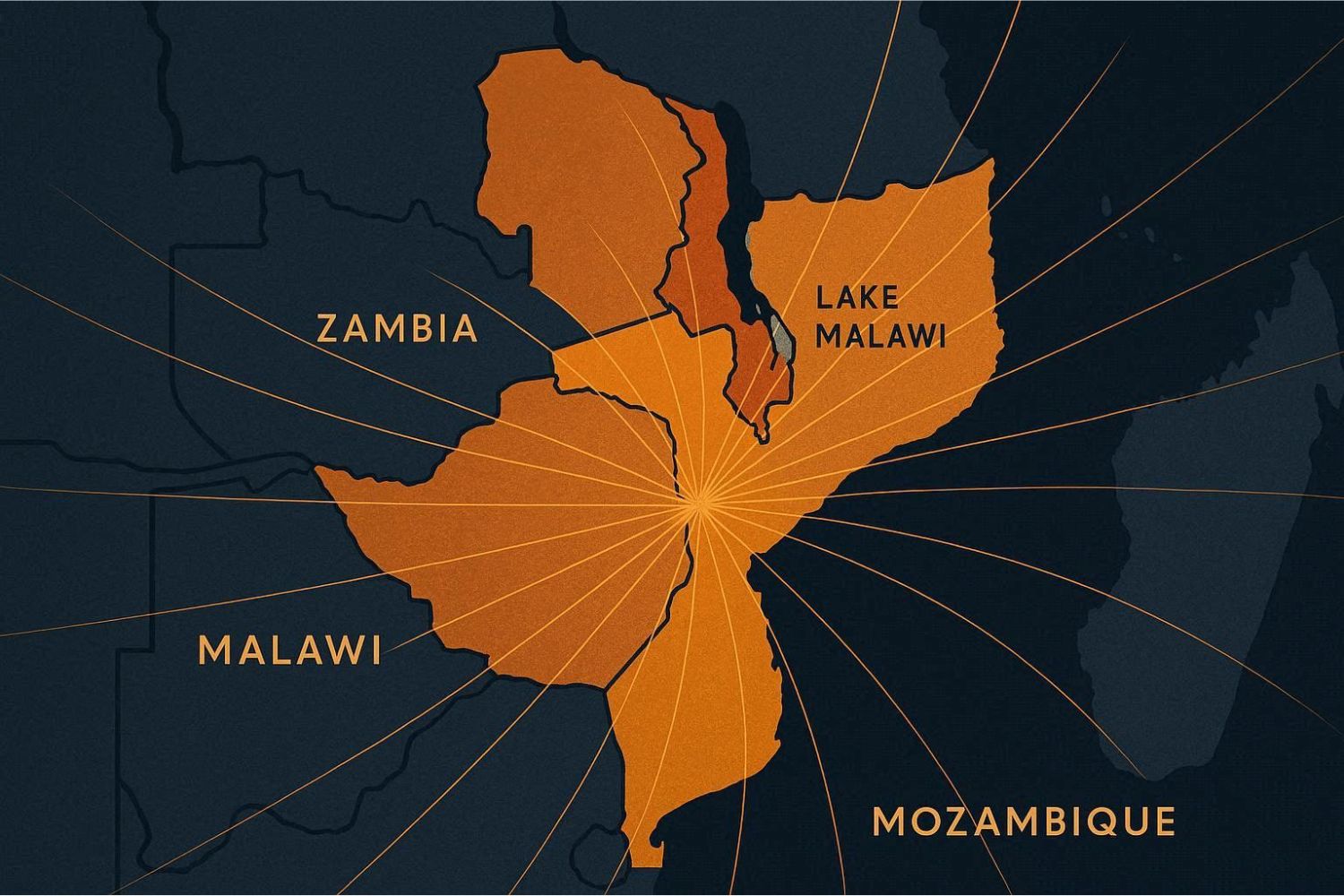
The first CDHL seed distribution targets 500 smallholder farmers across the Salima and Dedza distribution hubs, ahead of the 2026 planting season. Both districts fall within the ancient heartland of the Maravi Kingdom. Salima District is home to Sosola Village, where Kalonga Sosola IX was crowned. Dedza District is where the Mankhamba site sits — the ancient capital.
This is a deliberate start. 500 farmers is not a small programme measured against Malawi’s overall agricultural needs, but it is a size that allows CDHL to test its community-based model properly, learn from what works, and build trust before scaling.
The organisation has been open about this. The first cycle is a proof of concept. If 500 farmers in Salima and Dedza receive quality CG9 seed, grow successful crops, repay their inputs after harvest, and earn more than they would have with their previous seed varieties, that becomes the foundation for a second cycle — and a larger one.
Malawi does not lack vision for its agricultural sector. It has agro-ecological potential — the conditions are right for crops like groundnuts across much of the central region. Nation Online What it needs is reliable, community-rooted delivery structures that get the right inputs to the right farmers at the right time. CDHL is built on that premise.
How to Get Involved
CDHL welcomes farmers, cooperatives, village leaders, and development partners who share the goal of building community-led agricultural finance in Malawi.
If you are a farmer in Salima or Dedza and want to know whether you qualify for the 2026 seed distribution, contact the CDHL office through the details on our Contact Us page. If you are an organisation interested in partnering with CDHL — whether through funding, training support, or market linkages — we want to hear from you.
The 2026 planting season is close. There is no reason to wait.
To support CDHL’s agricultural lending work, visit our Support Us page. To read about the broader economic vision behind this programme, see our article on the Maravi Growth Triangle.